CMMS for Business Maintenance
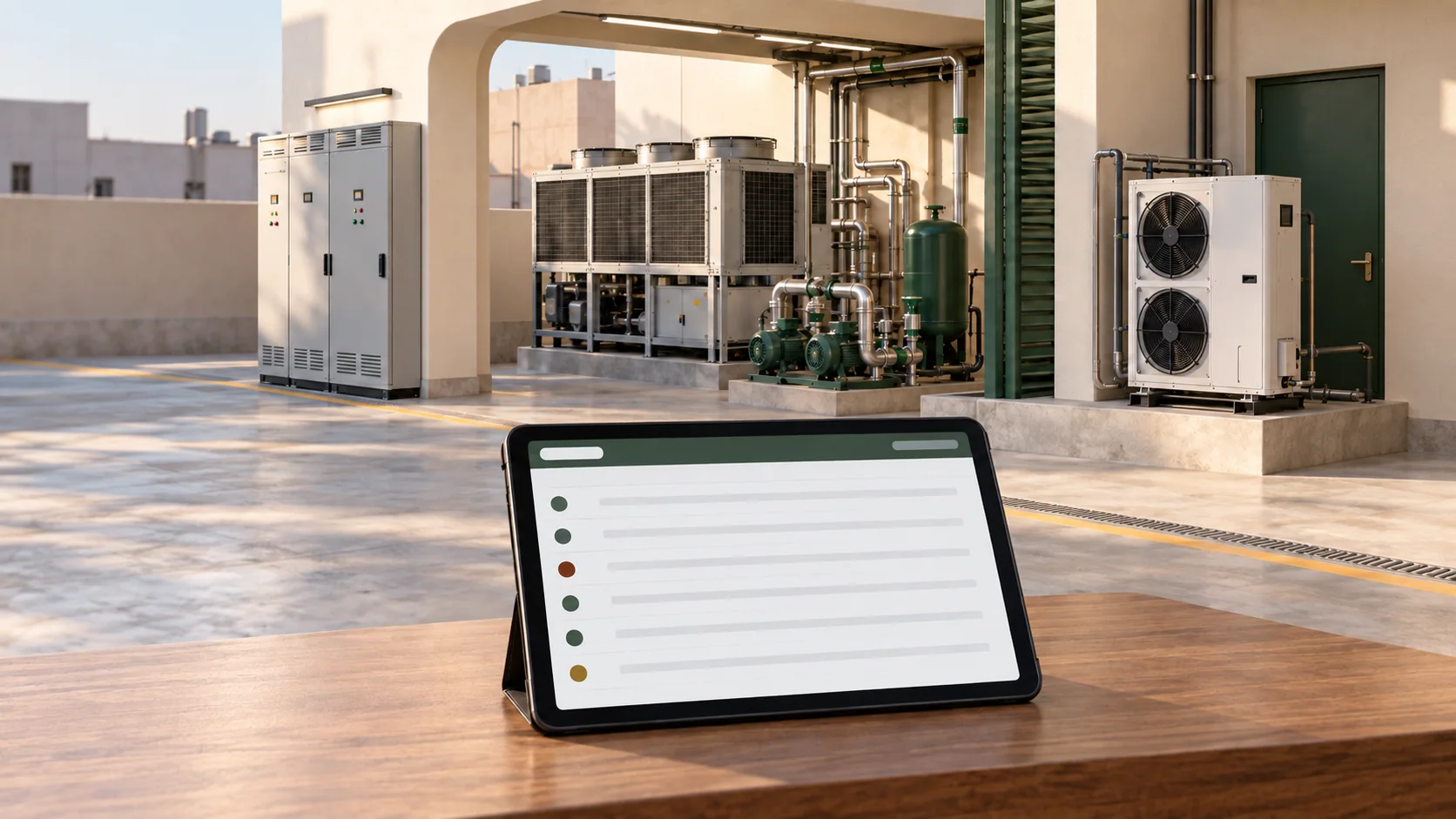
A CMMS keeps equipment work, parts used and open actions in one dated record. Owners and site teams can review what was repaired, what remains in stock and how maintenance spending relates to the work recorded.
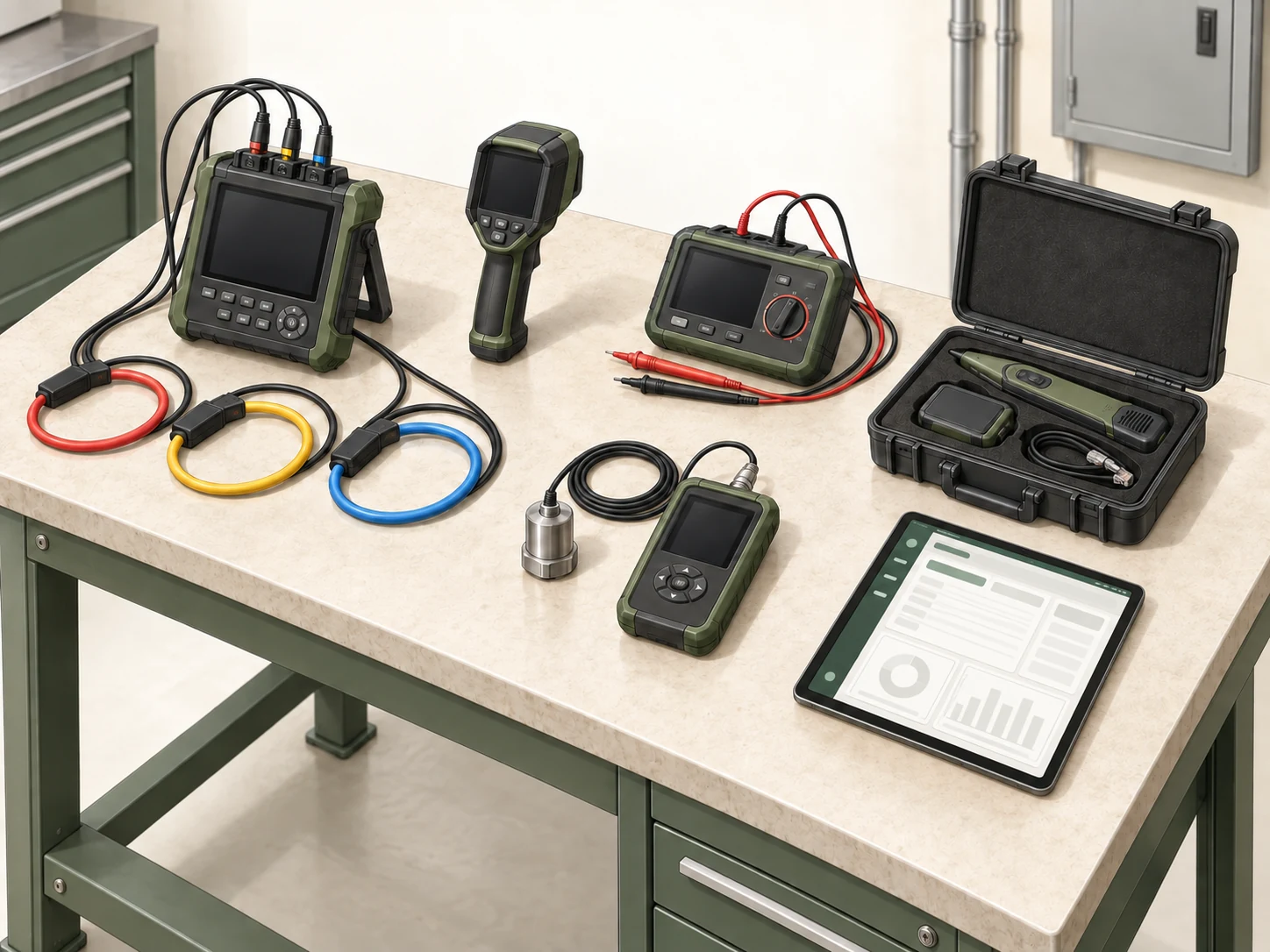
A visual encyclopedia of the tools and records used to understand, test and maintain equipment. Planning, contracts and maintenance schedules stay in Maintenance Guides.

Each entry explains a tool or system: what it records, where it fits and what its evidence cannot prove. Maintenance plans and service contracts stay in Guides.

A CMMS keeps equipment work, parts used and open actions in one dated record. Owners and site teams can review what was repaired, what remains in stock and how maintenance spending relates to the work recorded.

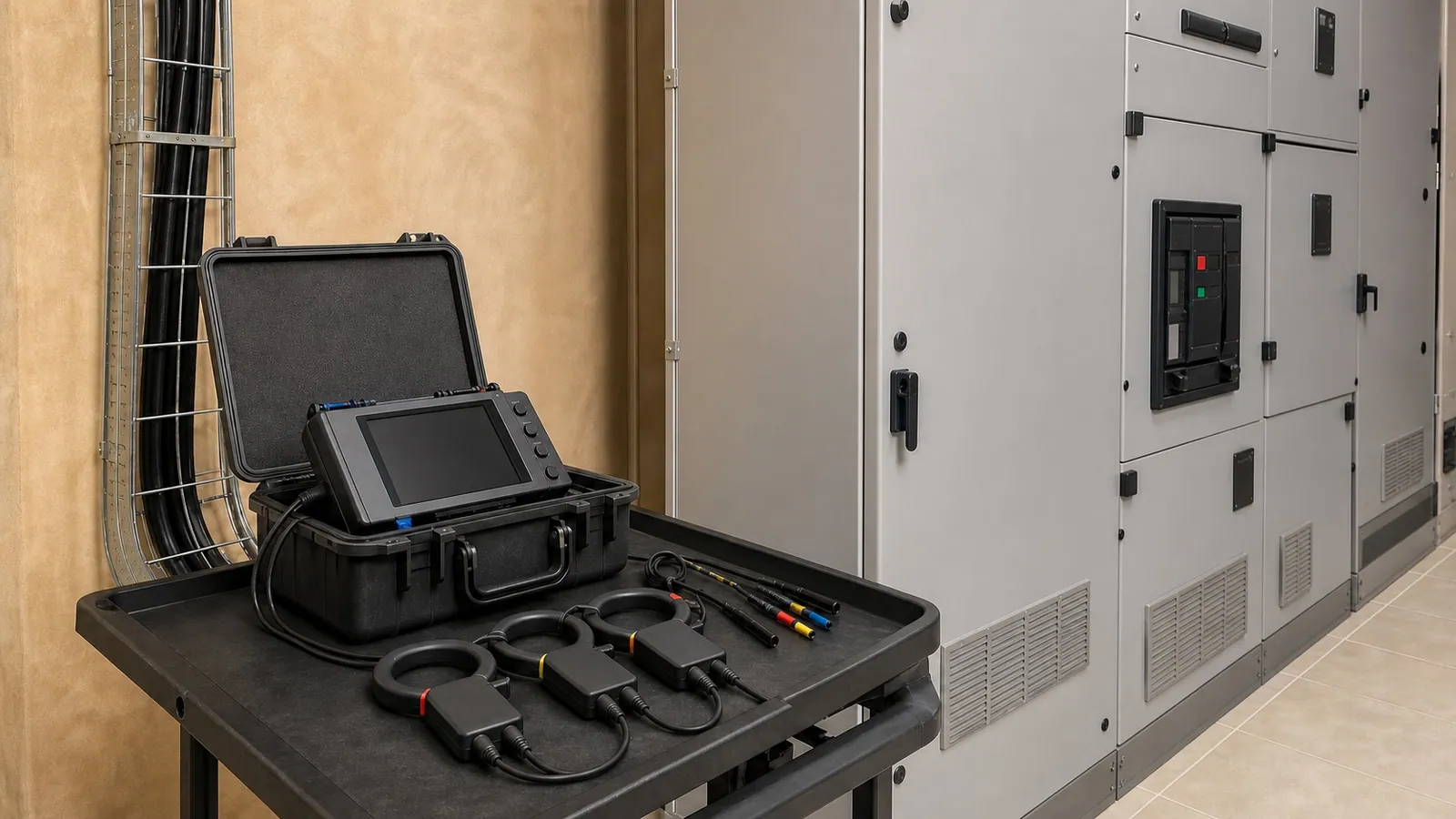
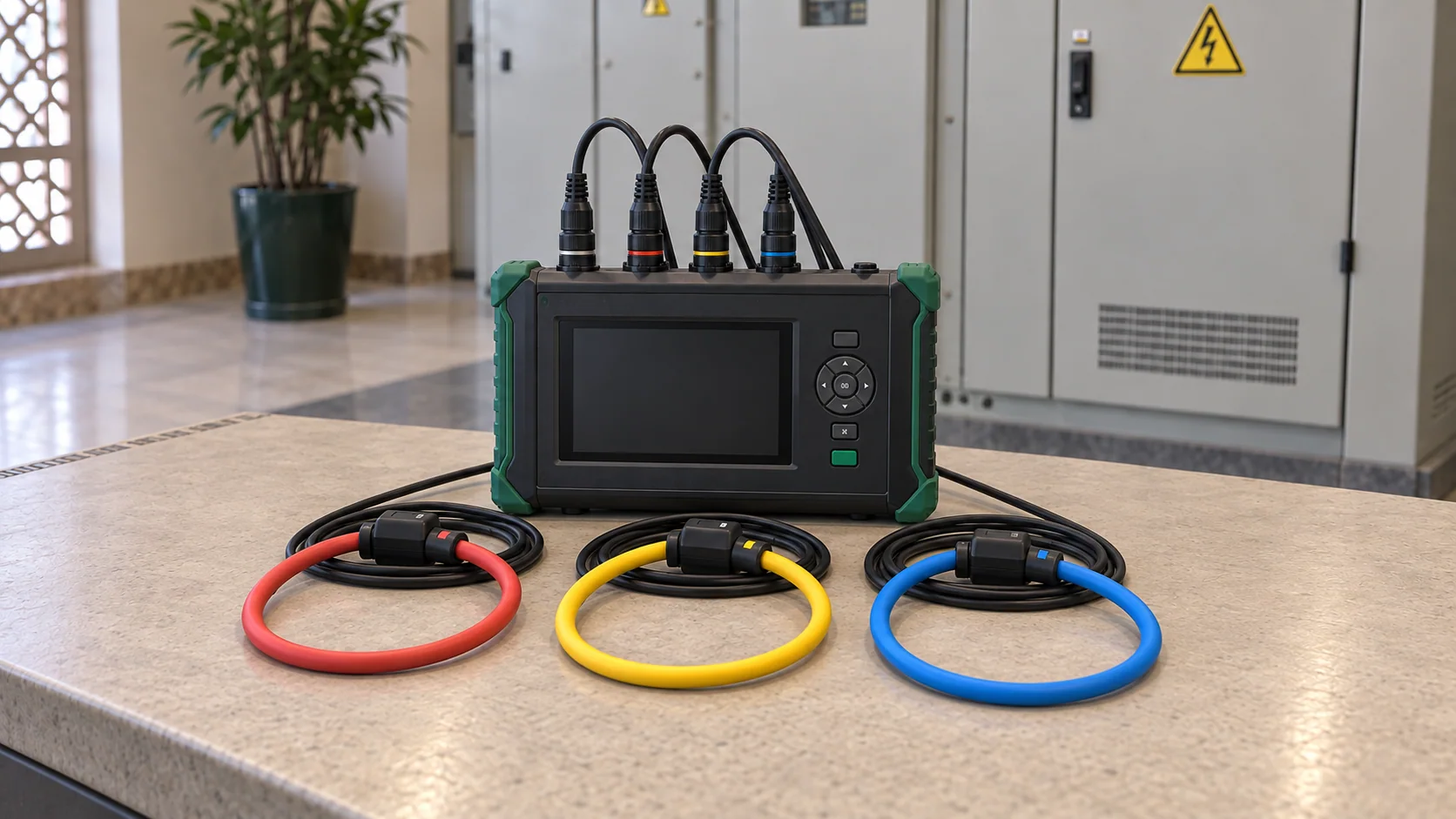
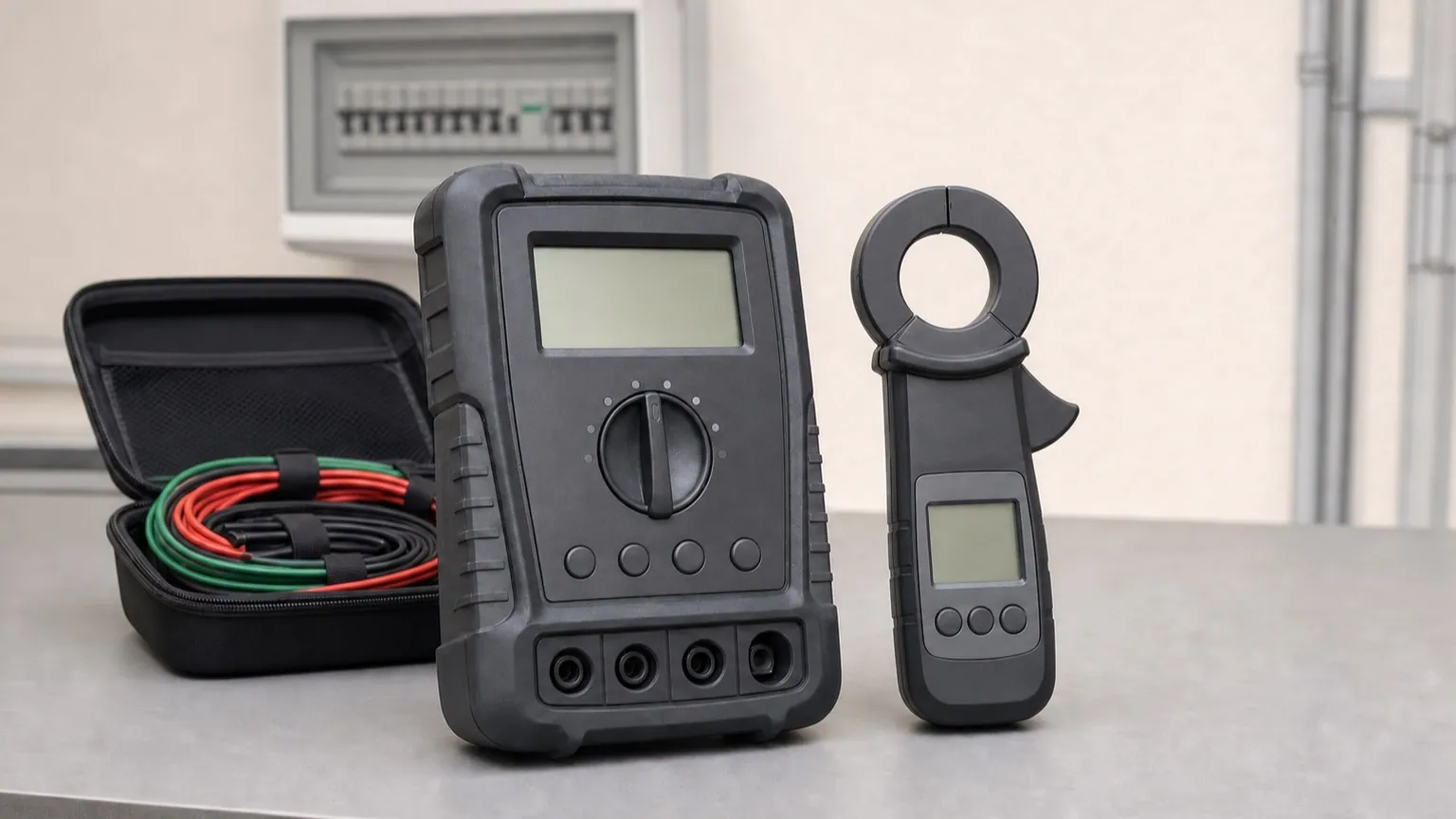
A spot meter shows what the electrical system is doing now. A power-quality analyser records voltage, current and time-stamped disturbances so an intermittent trip, reset or production fault can be reconstructed after it happens.

Electrical load loggers record current, power, energy and demand through time. The resulting profile reveals base load, recurring peaks, exceptional events and the operating periods that matter for capacity and energy decisions.

Permanent energy meters preserve time-based records at named distribution points. A site can compare its total with selected feeders and branches, maintain useful baselines, locate changes and verify whether an operational or technical improvement lasted.

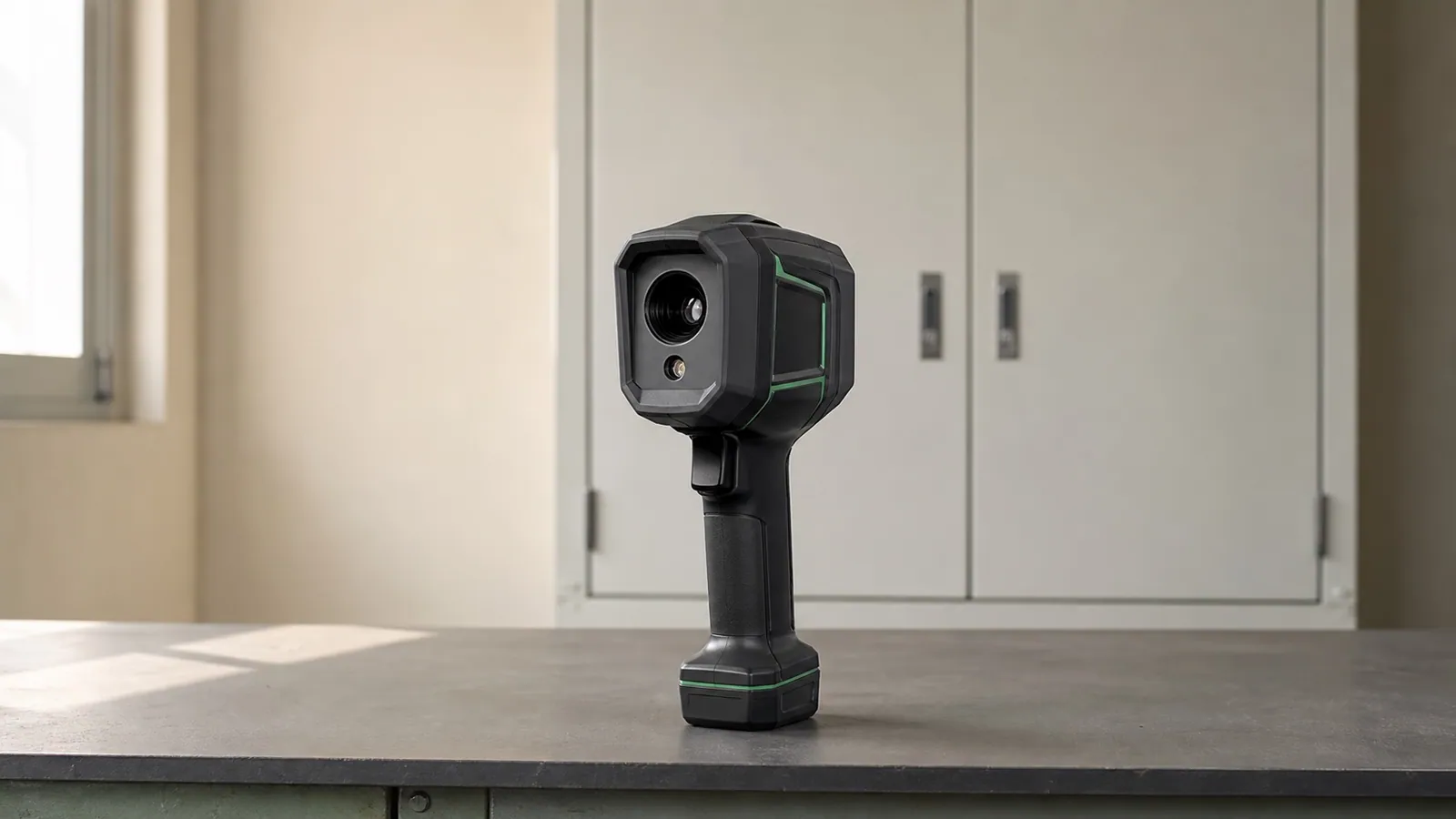
Infrared thermography maps surface temperature patterns on electrical equipment. Under a known operating condition, those patterns can direct attention to abnormal heating that needs confirmation.

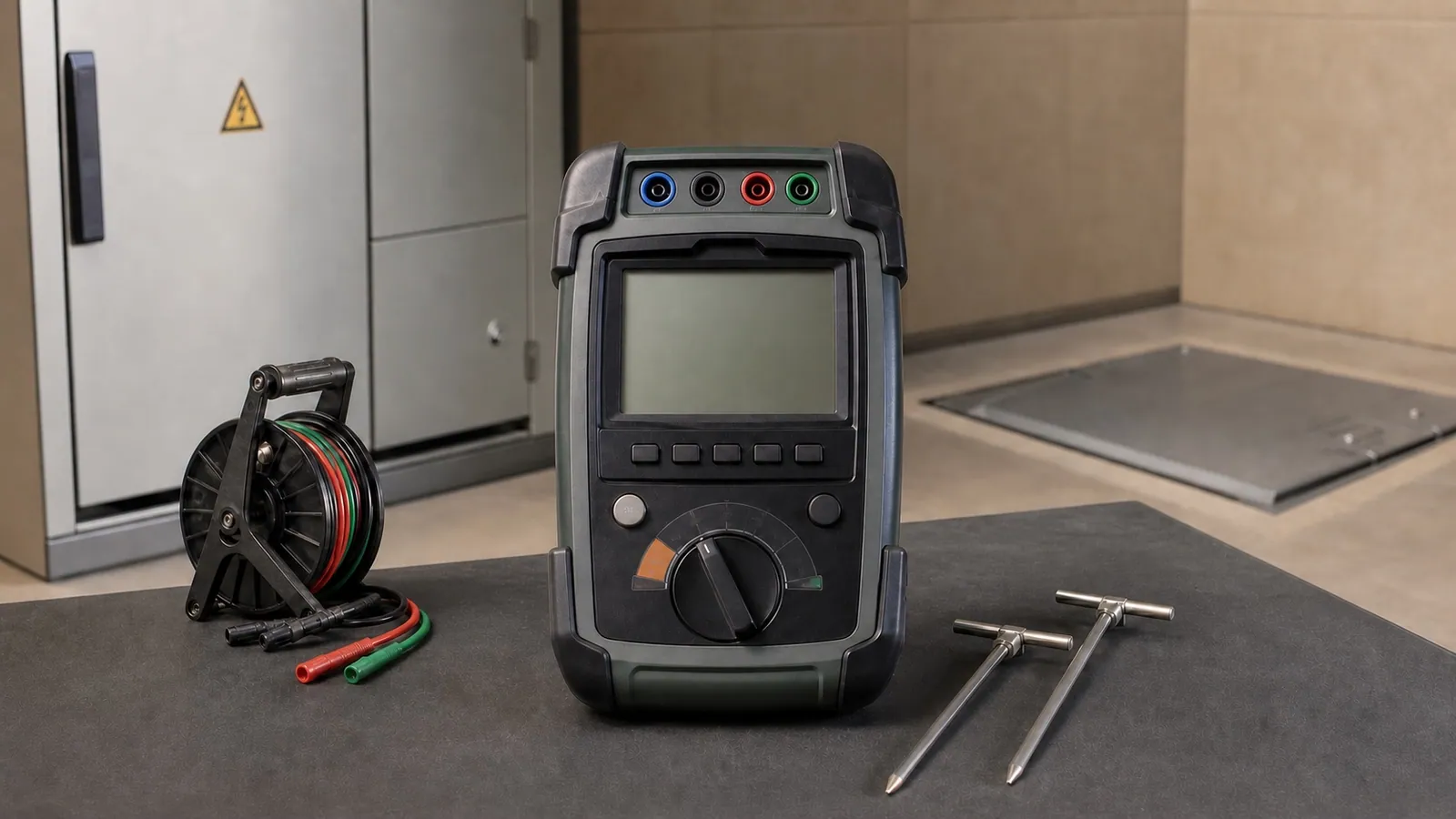
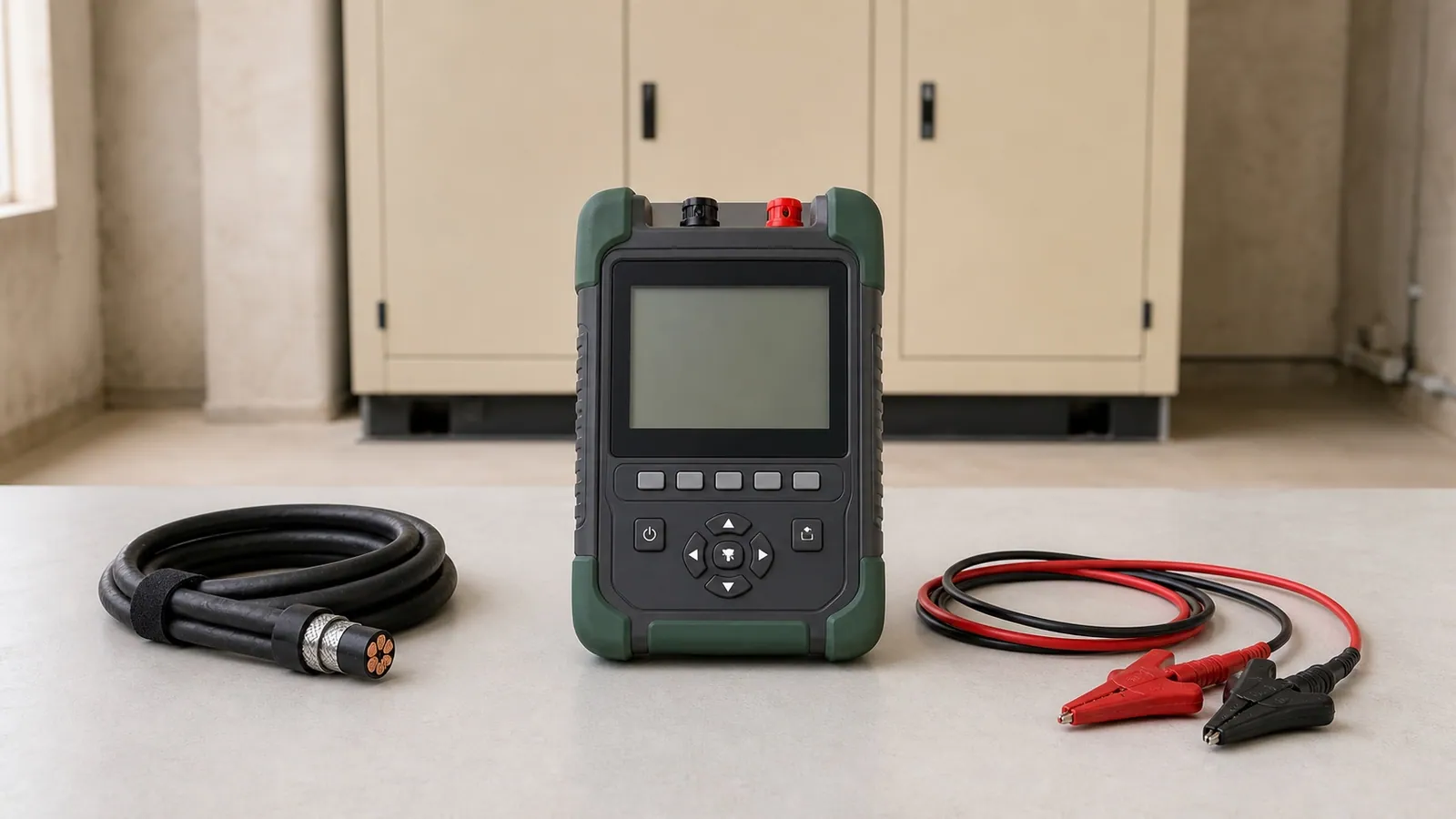
An insulation resistance tester applies a controlled DC test voltage to a safely isolated asset and measures resistance to leakage current. A documented spot or timed record can guide inspection and support a qualified return-to-service decision.

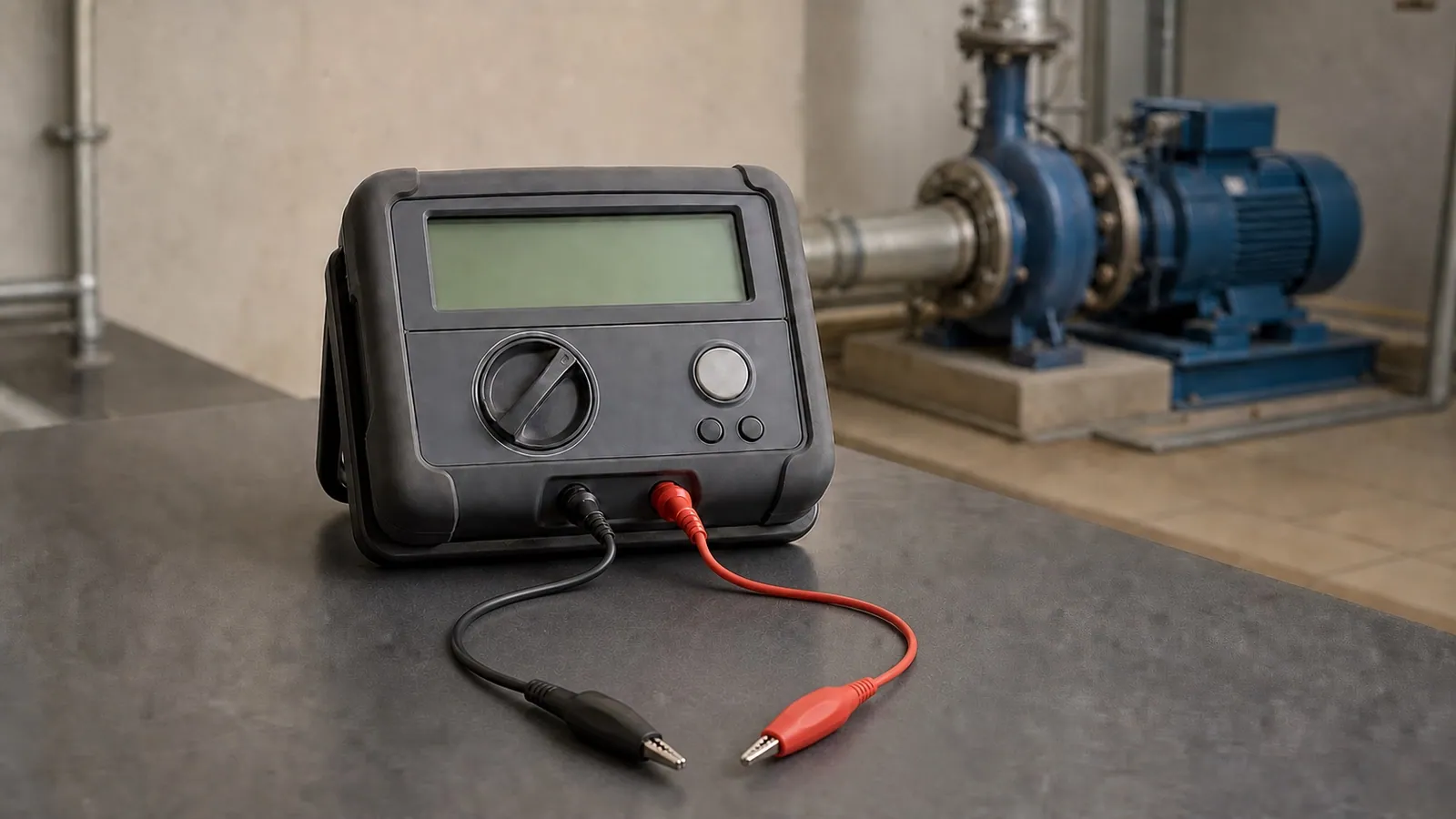
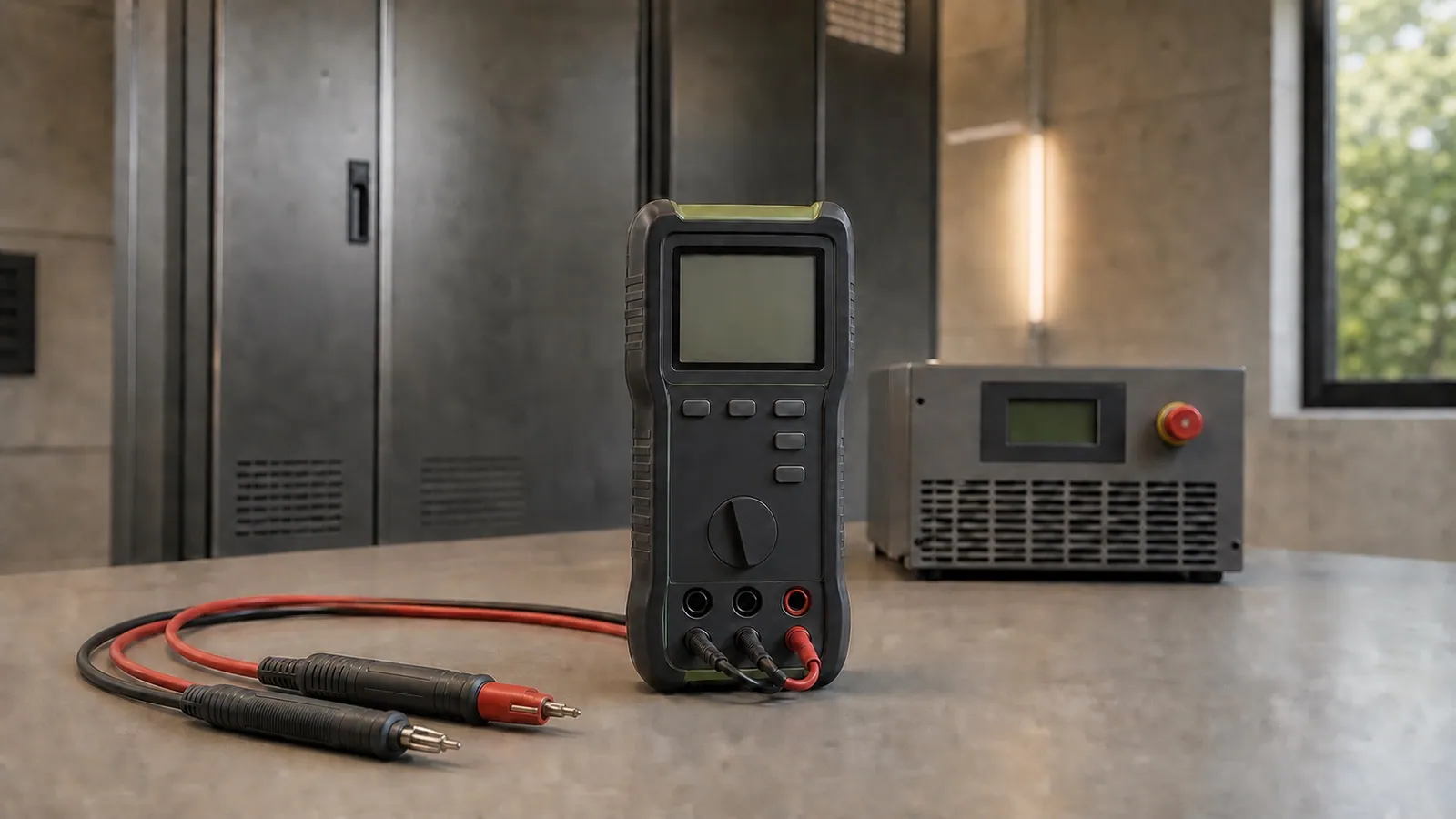
Earth resistance and loop impedance testers examine different parts of the fault-current path. The method must match whether the question concerns an electrode, a protective conductor path or the complete fault loop.

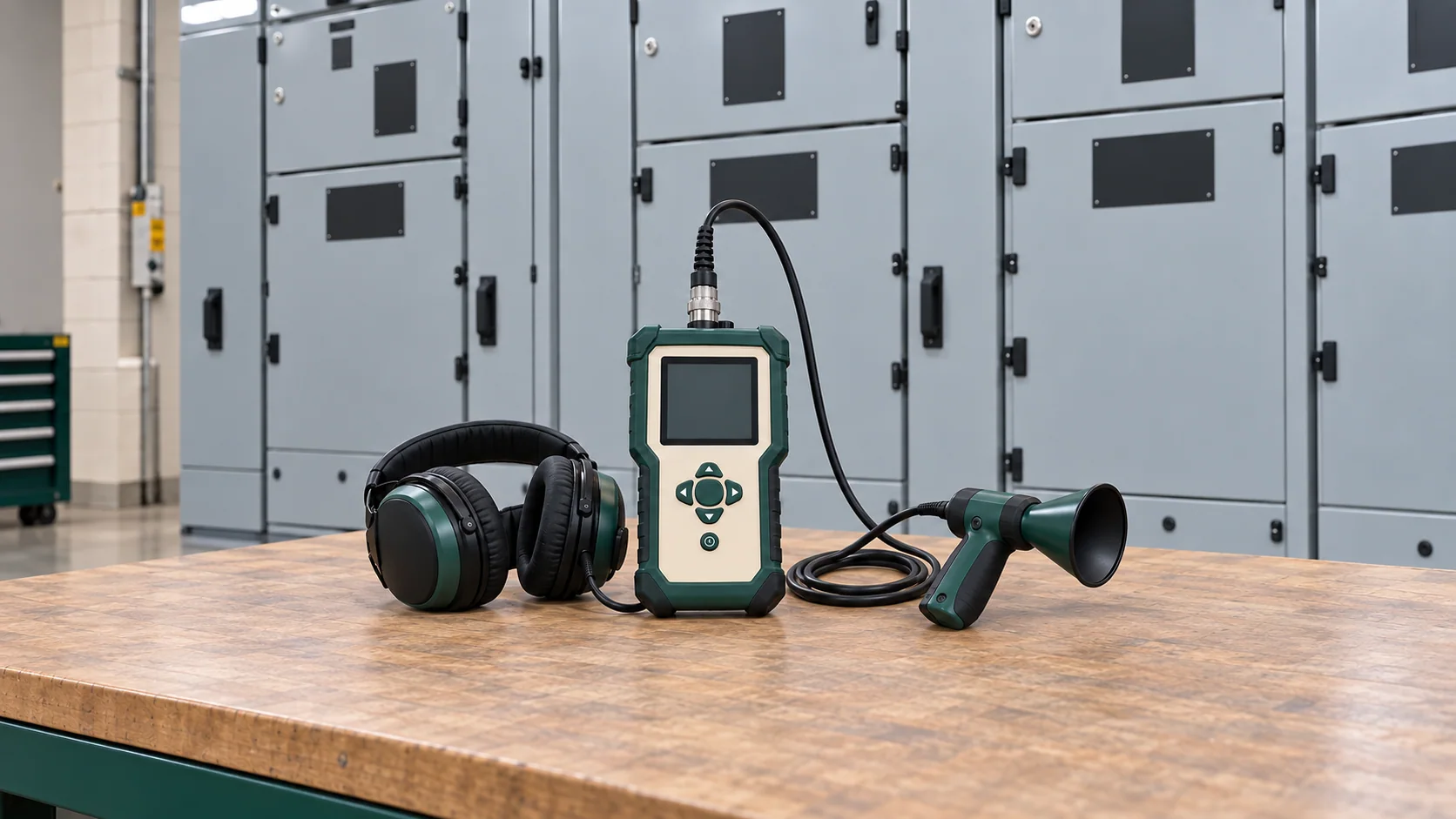
Partial discharge can release acoustic and electromagnetic energy before complete insulation breakdown. Suitable instruments screen and localize those signals; sensor choice, operating conditions, background activity and confirmation evidence determine what the record establishes.

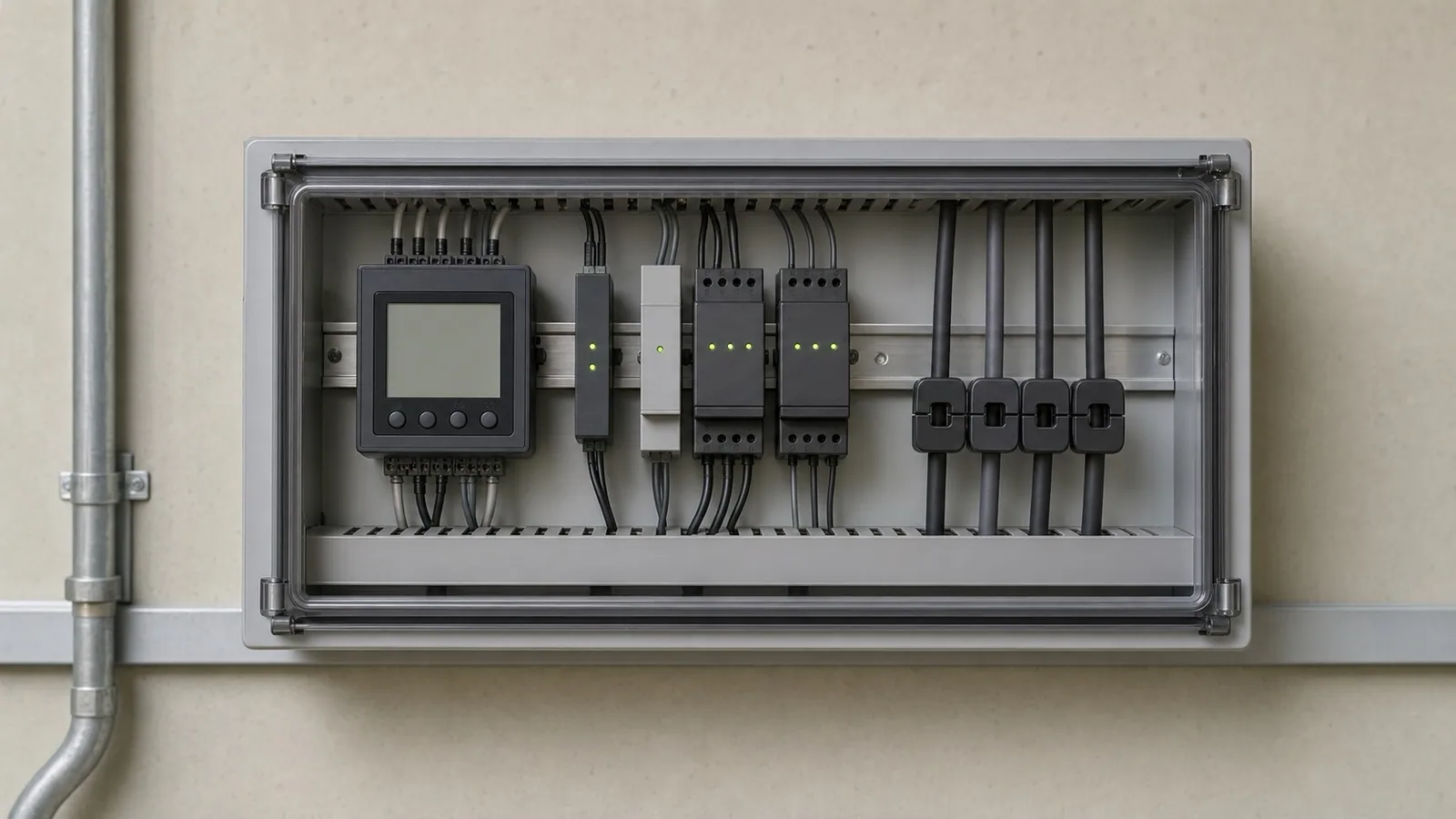
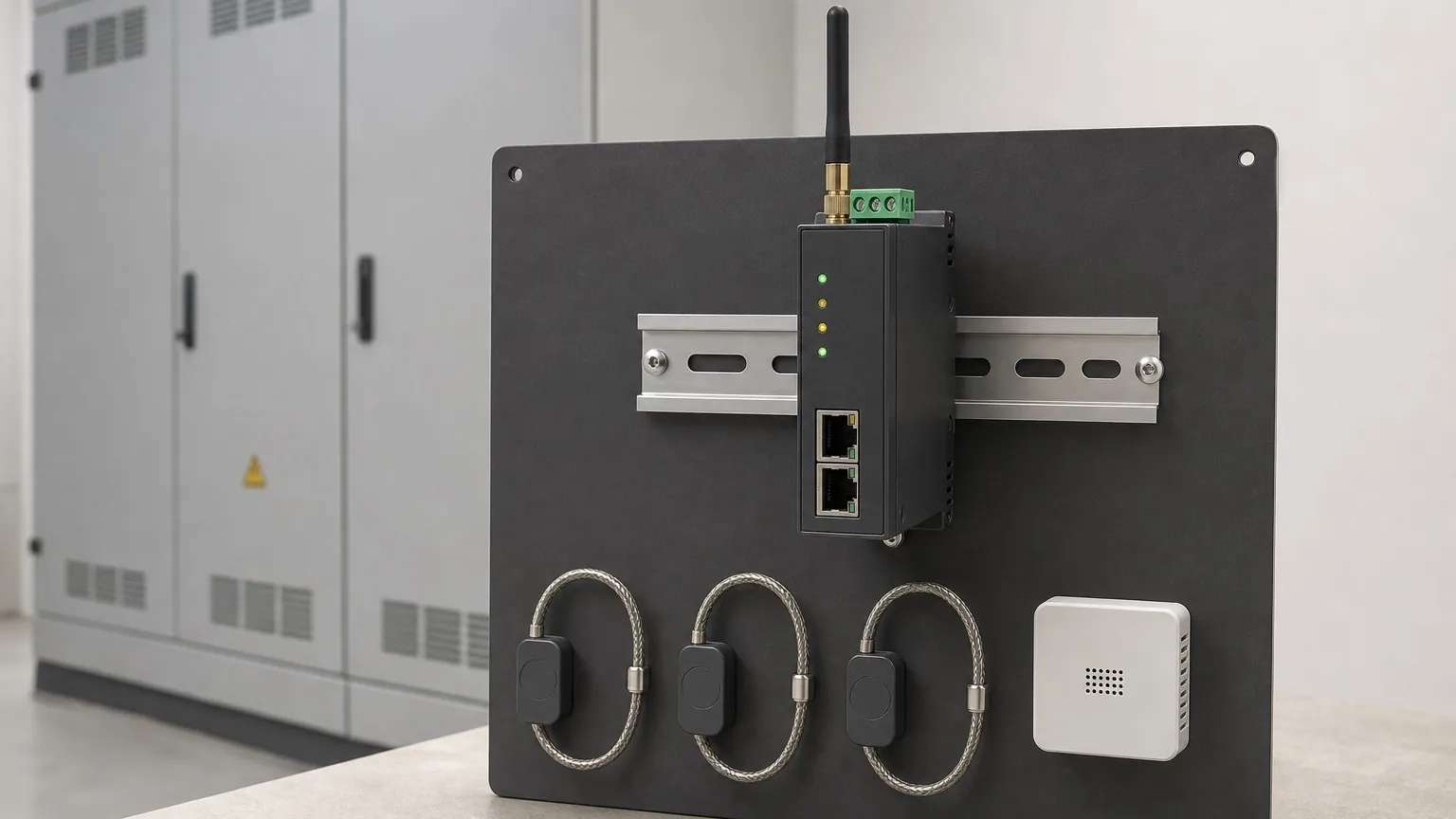
Remote electrical condition monitoring uses permanently installed sensors, a gateway and retained records to keep selected switchgear conditions visible between inspections.

RCD testing records how a named protective device responds under a controlled verification method. A high-resolution leakage clamp measures residual current already present at a named circuit boundary.

A time-domain reflectometer sends a controlled low-voltage pulse into a metallic cable and records reflections from impedance changes. The return time becomes an estimated electrical distance that must be reconciled with the physical route before repair.

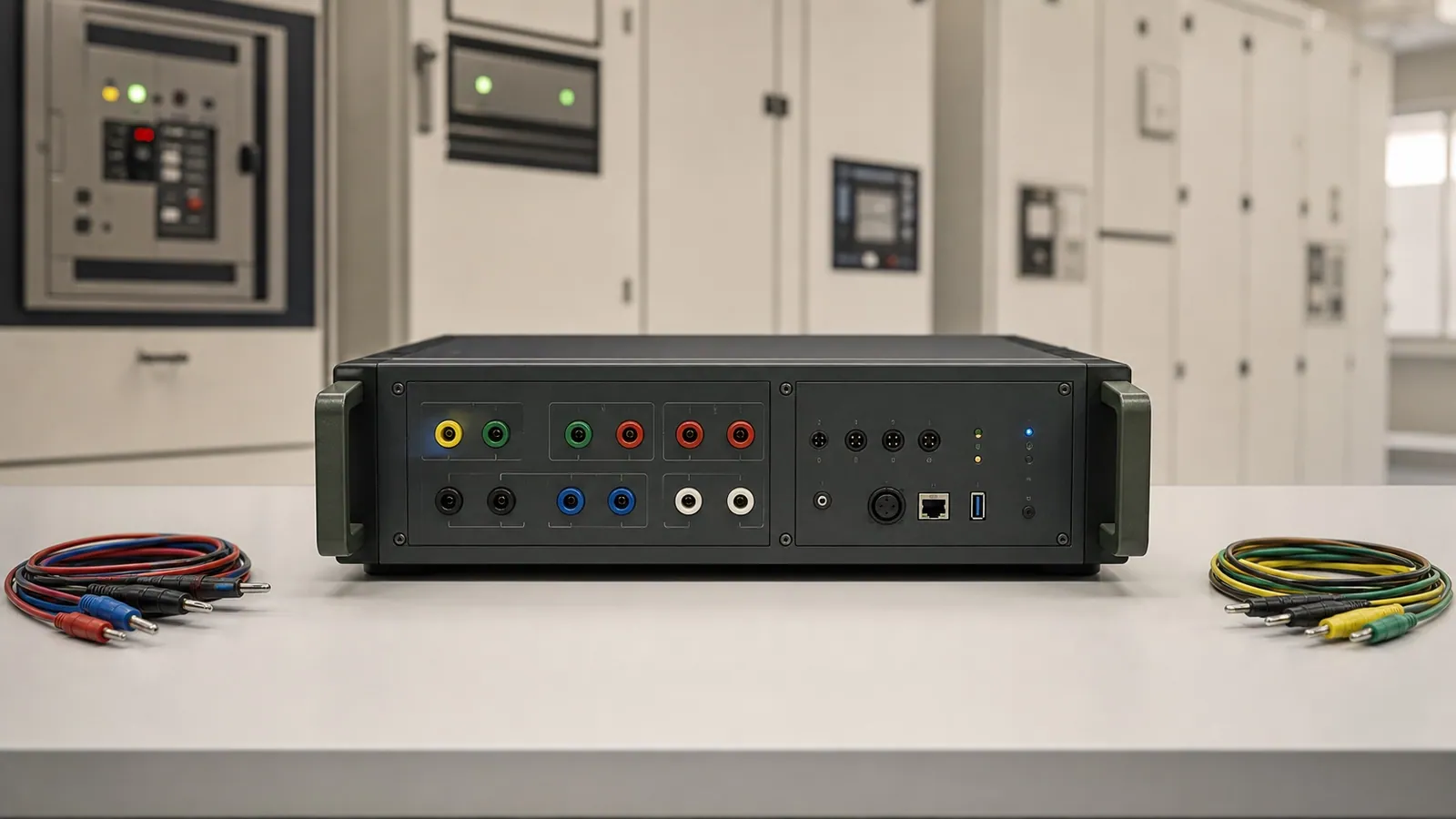
A protection test set applies controlled electrical or digital conditions to a protection relay and records pickup, operating time, logic and output response against approved setting-specific expectations.

Battery impedance, resistance or conductance screening compares identified blocks with their history and peer group. A controlled discharge records what the complete bank delivers against a documented backup duty.
Send the report page, equipment name or site symptom. ReneWave can explain what the technology records, what context matters and what evidence would be needed next.
RENEWAVEEnergy systems, held to standard.