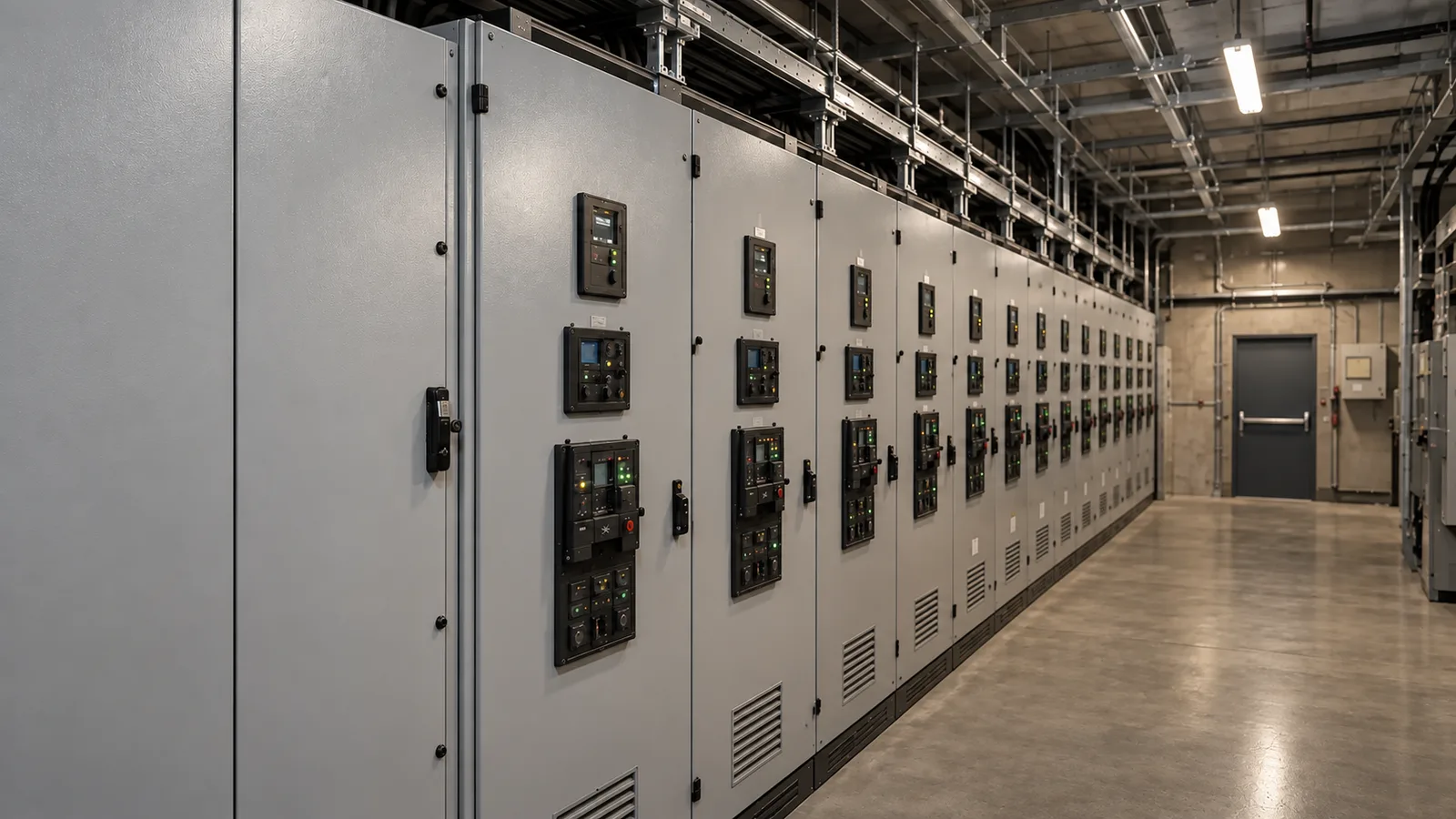
Electrical audit sits inside the wider technical audit.
A technical audit reads the site as an operating system. It reviews equipment condition, recurring faults, technical rooms, maintenance history, documentation, operating reality, critical systems and the practical actions that should follow. The electrical audit is one of the major pillars inside that wider view.
This distinction matters because electrical reliability affects almost every other system. HVAC, pumps, motors, refrigeration, hot water, lighting, controls, kitchen equipment, production equipment, solar interfaces and backup systems all depend on electrical clarity. The electrical part of the audit asks whether that foundation is visible enough, documented enough and stable enough to support the next decision.
The goal is to make the electrical baseline visible enough for safe decisions.
Electrical audit principle
This is the part of the technical baseline focused on electrical clarity.
Electrical audit explains the electrical condition that supports the rest of the site and shows where the broader technical audit still needs context.
Electrical reliability shows up as operational risk.
Electrical issues become operational risks when they reach the rooms, equipment or moments the business depends on. For a riad, they can become comfort complaints, hot-water interruptions or lighting problems. For a restaurant, they can affect refrigeration, extraction, kitchen service and point-of-sale equipment. For a factory, they can interrupt motors, controls, production rhythm and maintenance response time.
A useful electrical audit connects the symptom to the business consequence. A label problem can slow an intervention. A recurring trip can become downtime exposure. An unclear electrical room can make future maintenance harder. A sensitive equipment issue can point toward deeper diagnosis if the pattern justifies it.
Electrical rooms should help maintenance, not hide problems.
An owner or manager can understand whether an electrical room supports maintenance from safe, normal-access evidence. The audit can review access, cleanliness, organization, ventilation, visible environmental conditions, labeling, clear working space and whether records match what is actually on site.
These observations matter because future interventions depend on visibility. A room with blocked access, weak labels, dust, humidity concerns or confusing organization can make even a simple intervention slower and less traceable. The audit should make those barriers visible without turning them into do-it-yourself instructions.
Panels, circuits and symptoms should be discussed without unsafe detail.
A qualified electrical audit may review visible condition, repeated trips, unclear labels, damaged-looking areas, overloaded-looking areas, old or modified installations, undocumented changes and symptoms reported by staff. The safe owner/operator role is to understand the finding, the consequence and the next qualified action.
The report should be precise enough to support decisions. If an area looks unclear, the audit should explain what is unclear. If a symptom keeps returning, the audit should connect it to history and operating conditions. If deeper diagnosis is required, the report should say so clearly instead of pretending the cause has been confirmed.
Access, organization, ventilation, environment and working visibility.
Cold rooms, pumps, HVAC, lighting, controls.
Clear enough for handover and response.
Where, when, what was running, and what was already tried.
Only evaluated at planning level unless qualified diagnosis is needed.
Photos, records, labels and history so future work starts with memory.
The audit identifies when deeper review is justified, without turning the page into repair guidance.
Critical loads decide what matters first.
Not every electrical load carries the same business impact. A lighting circuit in a storage area, a cold room, kitchen extraction, a pump, a production motor and a backup interface do not create the same operational exposure. The audit should help management understand which electrical issues affect comfort, continuity, cost, safety visibility or investment priority.
This is especially important before solar, backup or equipment replacement. A site should know which loads are critical, which ones are sensitive, which ones are poorly documented and which ones require qualified review before integration work is proposed.
Recurring trips should be read as information.
One trip may be isolated. Repeated trips become a pattern that deserves a different reading. The useful questions are business-level questions: where does it happen, when does it happen, what is usually running, what was done before, was the previous fix documented, did the symptom move, and has it become more frequent?
In a restaurant, for example, a trip that returns during the same evening service period should become a documented pattern. The audit should connect staff observations, technical-room condition, labels, previous intervention notes and operating context. That gives qualified diagnosis a better starting point.
Quick interventions can be valid for simple, isolated faults. The long-term cost appears when the same symptom returns without documentation, the cause remains unclear, and the site keeps paying for resets instead of building technical memory.
Documentation and labeling reduce future confusion.
Electrical documentation matters because future decisions depend on it. Clear labels, photos, records, intervention notes and critical-load identification help maintenance teams respond faster, reduce repeated explanations, support handover between providers and avoid mixing routine maintenance with urgent correction.
Documentation also matters before larger decisions. Solar, backup, equipment replacement and maintenance contracts all become harder when electrical history is missing. Without technical memory, each new provider starts from zero and the business has less control over risk, scope and budget priority.
Power quality belongs where symptoms justify it.
Power quality is a deeper electrical-reliability question. It becomes relevant when symptoms point beyond simple visible condition: nuisance trips, unstable equipment, motor issues, sensitive electronics behaving strangely, repeated unexplained failures, voltage-related symptoms or faults returning after basic corrective work.
A power quality study requires qualified equipment, proper measurement conditions and technical interpretation. The electrical audit should identify whether the symptoms justify that deeper investigation and what question the study would answer.
Deeper measurement is useful when it can change the decision. Otherwise, the site first needs a clearer baseline.
Diagnosis boundary
Electrical findings should become action categories.
A weak audit leaves management with scattered comments. A useful audit classifies findings so the next step is clear: what needs qualified correction now, what can be planned, what needs documentation cleanup, what should be monitored, what belongs in maintenance, what needs deeper diagnosis, and what may become an investment or replacement decision.
Classification protects the site from spending in the wrong order. Replacement depends on understanding the symptom. Power quality needs triggers and a measurement question. Maintenance and urgent correction need separate approval paths. The result should be a practical action plan that turns technical worries into next actions.
Weak electrical audit signs to watch for.
Before approving an electrical audit, the business should understand what the provider will actually clarify. The report can be concise, but it should be traceable and useful for decisions.
- Vague condition comments. The report says an area looks bad without explaining the visible issue or decision impact.
- Missing evidence trail. Photos, labels, locations or records are absent from future follow-up.
- Symptoms treated as causes. Trips or instability are named before the report separates observation from confirmed cause.
- Missing critical-load logic. The audit leaves business-continuity loads unclear.
- Missing recurring-fault analysis. Repeated symptoms are treated like isolated events.
- Power quality mentioned loosely. A study is suggested without symptoms, measurement logic or a clear question.
How ReneWave approaches electrical audit work.
ReneWave treats electrical audit work as part of the technical baseline. We start from the site objective, critical systems, operating reality, symptoms, electrical-room visibility, documentation, maintenance history and the decisions the business is considering.
Findings are then classified before recommendations are framed. The output can support a Technical Audit, ReneWcare Max, corrective work planning, solar or backup readiness, equipment replacement planning, or deeper technical and power quality diagnosis where symptoms justify it.
- Electrical audit inside the technical baseline
- Evidence before diagnosis
- Critical loads before generic priority
- Recurring symptoms before repeated correction
- Documentation before maintenance planning
- Power quality only when symptoms justify it
The key takeaway.
Electrical audit is one of the major pillars of a technical audit. It turns electrical symptoms, unclear rooms, repeated trips, missing labels, undocumented changes and critical-load uncertainty into a safer technical baseline and a prioritized action plan.
The best output is a clear decision map: correct now, plan, document, monitor, maintain, diagnose, investigate power quality if justified, or invest once the cause and priority are clear.
Frequently asked questions.
Related guides & services.
What Should Be Checked During a Technical Audit?
How a technical audit reviews site condition, recurring faults, technical rooms, documentation and action priorities.
Open ArticleWhat Is a Technical & Energy Audit?
How a technical and energy audit builds a baseline before maintenance, corrective work, solar or deeper diagnosis.
Open ArticleWhat Should Be Checked During an Energy Audit?
How bills, site rhythm, major loads, controls, maintenance waste and measurements become action priorities.
Open ServiceTechnical Audit
The baseline assessment for sites with unknown systems, recurring faults or unclear technical condition.
Open ServiceReneWcare Max
Structured preventive and corrective maintenance with reporting, follow-up and intervention history.
Open HubMaintenance Guides
Practical guides on preventive maintenance, visit quality, documentation, electrical reliability and contracts.
Open