ReneWave perspective · Solar panels

    Canadian Solar

    A Canadian-founded solar company with a global manufacturing footprint. Understand the company, how its panel ranges evolved, and why we place it in ReneWave's Premium selection.

    Explore our Canadian Solar products
    Canadian Solar logo
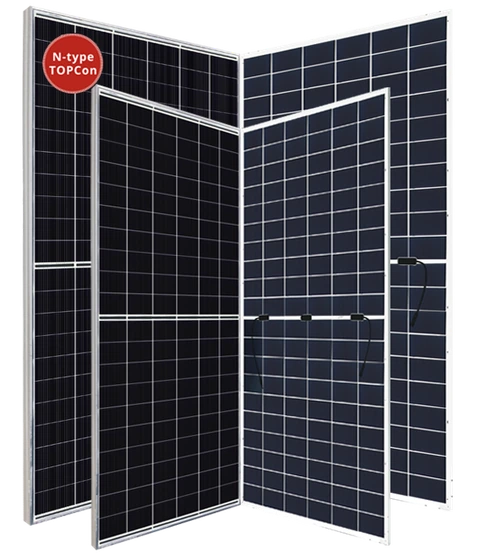
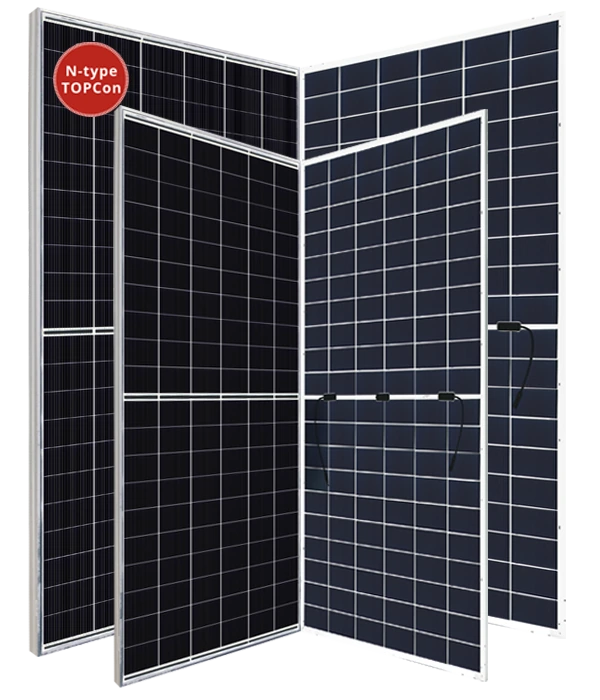
    TOPBiHiKu7

    N-type TOPCon. Front and rear.

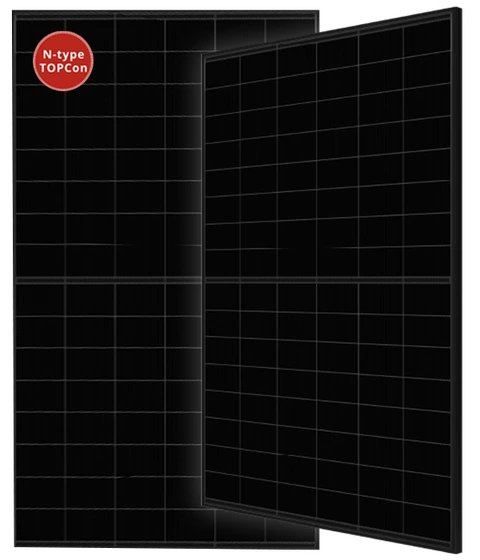
    Official Canadian Solar TOPBiHiKu7 front and rear module views
    Official manufacturer family visual. Exact dimensions and ratings belong to the selected reference.

    01 / Who they are

    Canadian roots. A global solar business.

    Founded in Canada in 2001, Canadian Solar’s early solar products were smaller than today’s rooftop panels. Its company history records manufacturing a solar battery charger for Audi Volkswagen in 2002, followed by monocrystalline solar-module production for the German market in 2005. These are distinct steps: first a solar-powered charging product, then the full-size photovoltaic modules that became its core manufacturing business.

    The company began making solar cells in 2007 and silicon ingots and wafers in 2008, bringing more of the panel’s production chain in-house. Its first solar project followed in Germany in 2009. Today, the Canadian-founded group combines module manufacturing, battery storage and project development; its parent has been listed on Nasdaq since 2006. Manufacturing origin still depends on the supplied panel and batch.

    The business, in numbers · Full year 2025

    Group revenue
    $5.60USD billion
    Solar modules shipped
    24.3GW
    Energy storage shipped
    7.8GWh

    Revenue covers the consolidated group, including modules, storage and project activities. Shipments measure module power and storage capacity, not panel counts or electricity produced. These figures show business scale, not a quality score.

    Business growth

    Canadian Solar grew from a panel manufacturer into a group that also develops energy projects and supplies battery storage. Revenue rose to USD 7.61 billion in 2023, then fell to USD 5.60 billion in 2025. Lower module selling prices weighed on 2024; in 2025, module shipments declined and some project sales moved into 2026, while storage shipments reached a record 7.8 GWh.

    Revenue trend · USD billion
    Annual revenue trend, 2021–20252021: $5.28; 2022: $7.47; 2023: $7.61; 2024: $5.99; 2025: $5.60. Values in USD billion; vertical axis starts at zero.$0$2$4$6$82021$5.282022202320242025$5.60
    Annual revenue · USD billion
    YearRevenue
    2021$5.28
    2022$7.47
    2023$7.61
    2024$5.99
    2025$5.60

    Consolidated net revenue reported in USD, rounded to two decimals. This includes manufacturing, storage and project activities. The series shows both expansion and contraction; it is not a panel-quality rating.

    Business milestones

    1. An early solar charging product

      The company manufactures a solar battery charger for Audi Volkswagen, an early documented product before its full-size panel business.

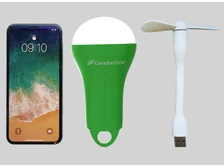
      Later Maple 3 portable charging kit; not the 2002 car charger
      Maple 3 · later charging kit
    2. Monocrystalline panel manufacturing

      Module production starts for the German market. The business moves into the photovoltaic panels used to build rooftop systems and solar plants.

      Current Canadian Solar module examples, not the first 2005 panels
      Modules · current range
    3. More of the panel made in-house

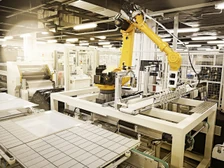
      Solar-cell production begins in 2007, followed by silicon ingots and wafers in 2008. Canadian Solar expands upstream from assembling modules into making their active components.

      Canadian Solar automated module production, a later manufacturing example
      Manufacturing · later line
    4. Its first solar project

      The first project is built in Germany, extending the business beyond supplying panels into developing complete solar installations.

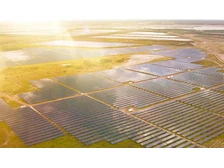
      Brandenburg solar plant with Canadian Solar modules, installed in 2011; a later German project
      Brandenburg · 2011 example
    5. Acquires Recurrent Energy

      The acquisition brings a 4.5 GW development pipeline and an established US project team into the group. Canadian Solar expands from supplying modules to developing, financing and delivering large solar plants. Recurrent later adds battery storage to that project business.

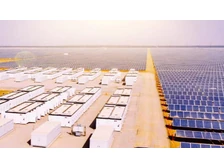
      Slate solar and storage project in California, a later Recurrent Energy development
      Slate · later US project
    6. CSI Solar lists in Shanghai

      Its majority-owned manufacturing subsidiary begins trading on the STAR Market on 9 June. The parent remains listed on Nasdaq.

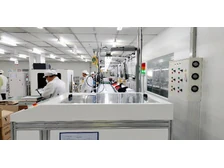
      CSI Solar production and testing facility shown in its 2022 company presentation
      CSI Solar · 2022 facility

    02 / Technology

    Selected technology advances

    Selected developments in the brand’s specialty, not a complete history or catalog.

    HiKu and BiHiKu established the high-power and two-sided branches. TOPHiKu and TOPBiHiKu brought the TOPCon transition. These milestones describe family history; the pictured examples are not necessarily their first release or products in our catalog.

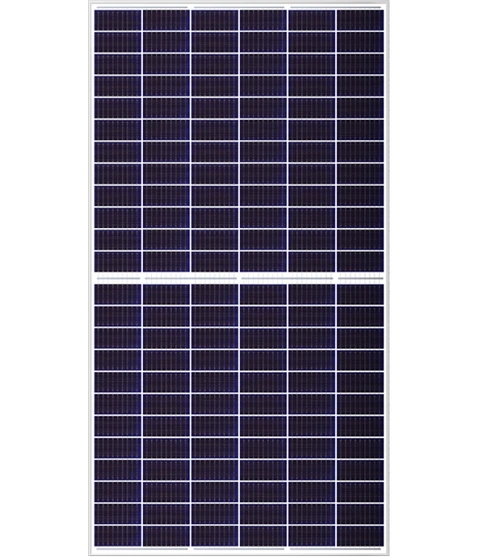
    Official Canadian Solar HiKu family module visual
    HiKu family visual

    HiKu

    The high-power foundation

    Late 2018HiKu mass production began

    HiKu brought larger cells and a split-cell layout into Canadian Solar's high-power range. The first mass-produced version exceeded 400 W; the family later evolved through mono-PERC references and larger formats.

    The step forward was more power per module and improved cell interconnection. Splitting cells reduces current in each cell path, helping limit resistive losses.

    HiKu is a family name, not one fixed technology or wattage. Its older introduction date alone does not make a documented model a poor purchase.
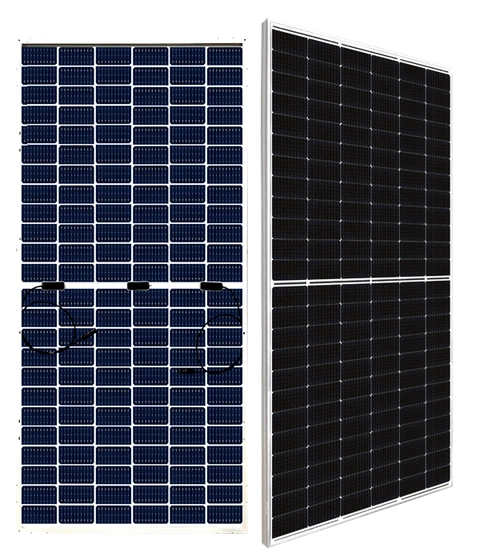
    Official Canadian Solar BiHiKu6 PERC module front and rear views
    Later BiHiKu6 example

    BiHiKu

    PERC with two active sides

    July 2019BiHiKu mass production began

    BiHiKu added bifacial generation to the high-power family: the rear can turn reflected light into electricity as well as the front. Later BiHiKu6 models combined this approach with mono-PERC cells.

    It opened an additional source of output beyond front-side rated watts. That is the meaningful difference from a comparable monofacial HiKu.

    Rear-side gain depends on the light that reaches the back. Bifacial does not mean twice the output, and the benefit is not a fixed percentage.

    Official Canadian Solar TOPHiKu6 n-type TOPCon monofacial module visual
    TOPHiKu6 example

    TOPHiKu

    N-type TOPCon · front-side generation

    2023TOPCon commercial rollout, announced in December 2022

    TOPHiKu takes the front-generating branch to n-type TOPCon cells. Their contact design reduces electrical losses inside the cell, supporting higher efficiency and improved temperature behavior relative to the manufacturer's earlier PERC designs.

    The advance is in the cell, not simply a larger panel: more of the incoming light can become electricity. The exact module still determines the efficiency and temperature coefficient.

    TOPCon is used by several manufacturers. It is not exclusive to Canadian Solar, and TOPHiKu is not a promise of rear-side generation.

    Official Canadian Solar TOPBiHiKu7 bifacial TOPCon module front and rear views
    TOPBiHiKu7 example

    TOPBiHiKu

    N-type TOPCon · bifacial

    2023Bifacial TOPCon production: 182 mm in February, 210 mm in July

    TOPBiHiKu combines n-type TOPCon with bifacial construction. It is the two-sided sibling of TOPHiKu, rather than a later replacement for it. The relevant ranges also offer dual-glass construction and model-specific long-term power warranties.

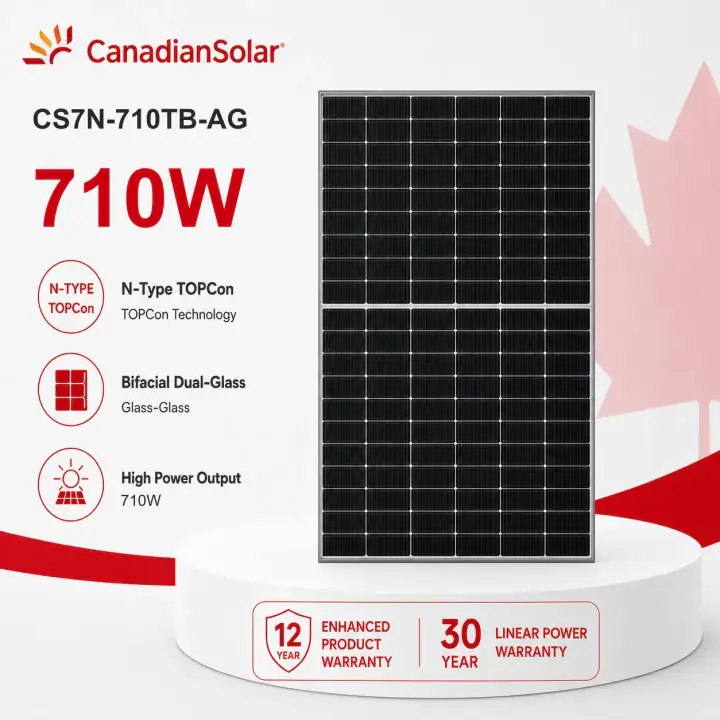
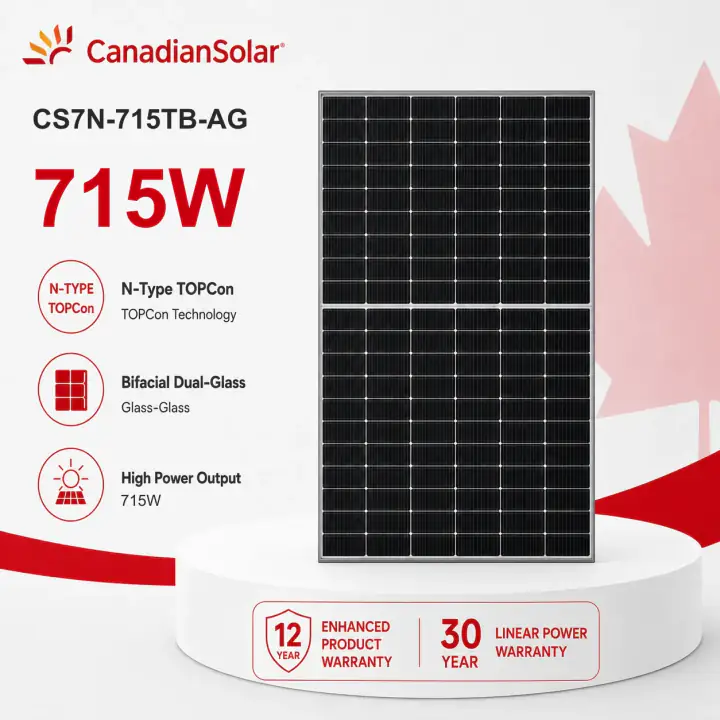
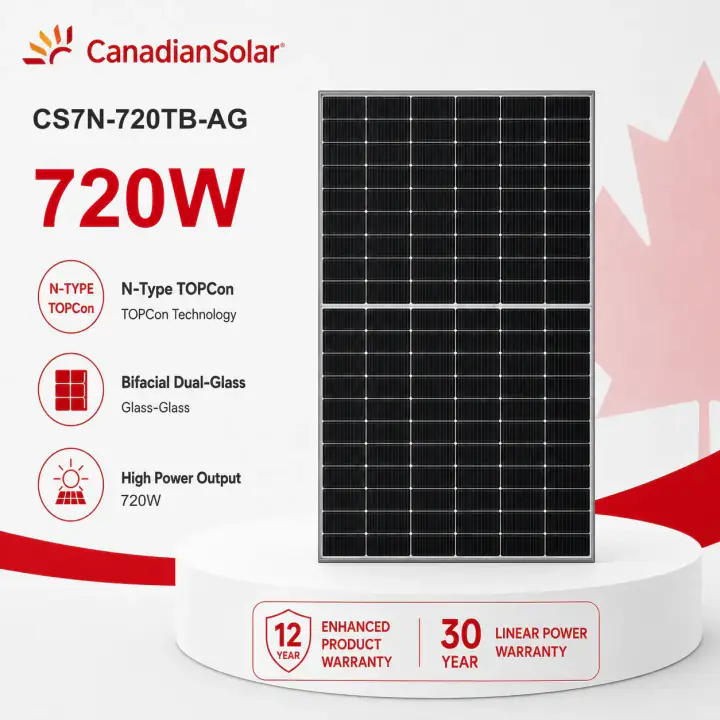
    It brings the TOPCon cell improvements together with the possibility of rear-side output. TOPBiHiKu7 is the family represented in our current Canadian Solar catalog.

    The front-side rating and potential rear contribution remain separate. A large watt number or bifacial label does not guarantee greater energy on every site.

    Key terms

    Short definitions for the names used in this guide.

    TOP
    Names the TOPCon cell-technology branch. It does not identify a panel's wattage, size or warranty by itself.
    Bi
    Means bifacial: both sides can generate. It describes construction and light collection, not a guaranteed energy bonus.
    6 / 7
    Identify format/platform families, not quality scores. The 2020 HiKu7 launch introduced a larger 210 mm-cell platform; later references need their own dimensions checked.
    All-black
    An appearance and construction choice. It can sit alongside a cell technology; a black finish is not another generation of solar cell.

    Watts measure a module's rated power; efficiency relates that power to its area. A larger panel can have more watts without being more efficient.

    03 / What stands behind the brand

    Premium

    Why we place Canadian Solar in Premium.

    Four reasons behind our assessment: a documented manufacturing history, continued product development, measurable module performance and test evidence. Warranty length matters too, but it is not the whole picture.

    ReneWave's commercial positioning, not an independent certification or a claim that every model outperforms other brands.

    A manufacturing history, not just a name

    Founded in 2001 and Nasdaq-listed since 2006, Canadian Solar has a documented history across multiple panel generations. That continuity is useful context for a long-term purchase; it does not give a newly launched module decades of field experience.

    Development that changes the product

    The move from HiKu and BiHiKu to the 2023 TOPCon branches changed cell design, efficiency and temperature behavior, rather than just the name. The published technical paper also explains interconnection and manufacturing methods behind the newer modules.

    Performance you can read

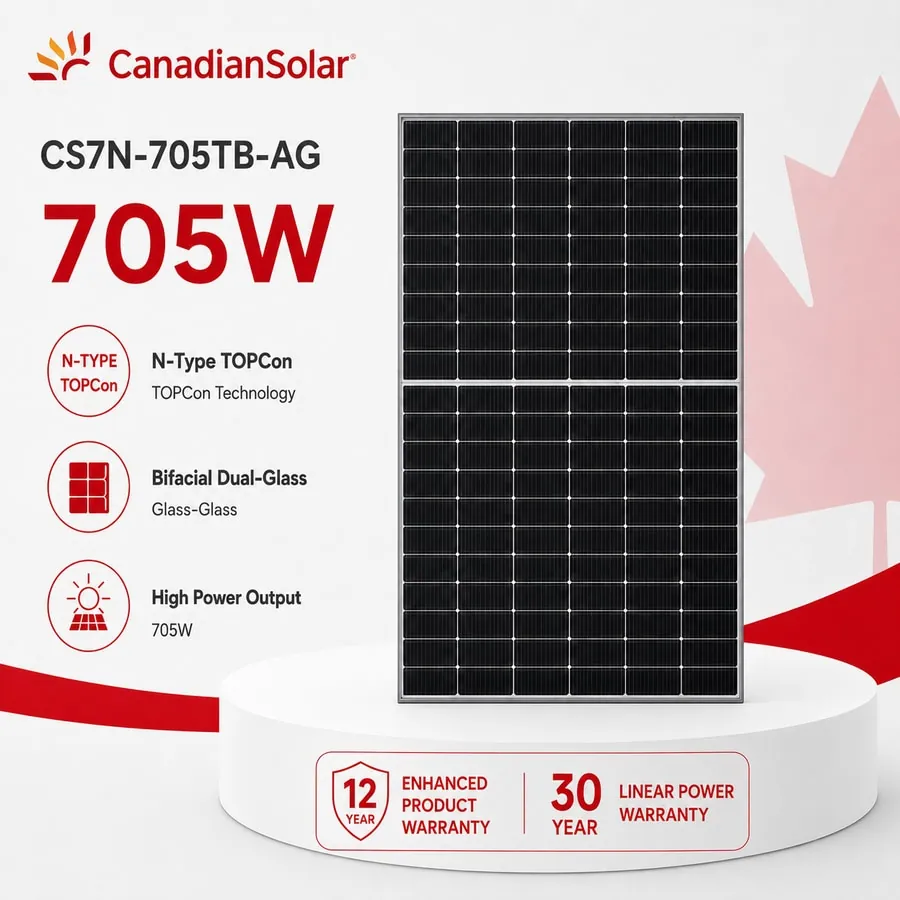
    Our CS7N-705TB-AG reference specifies 22.7% efficiency and a −0.29%/°C power temperature coefficient. These make light conversion and heat-related power loss measurable. Its three bypass diodes help bypass shaded sections, without eliminating shading losses. The figures belong to this reference, not the whole brand.

    Independent checks, with a defined scope

    Kiwa PVEL's 2026 scorecard lists selected Canadian Solar designs, including CS6.2-48TM-xxxH, as Top Performers in specific tests. This is independent evidence to inspect, not a blanket award: results belong to the listed model and bill of materials, not automatically to our CS7N references.

    Neither company longevity nor accelerated testing proves decades of field life for a newer TOPCon generation. Published evidence also does not establish faster warranty handling or better claim outcomes than another manufacturer.

    05 / Warranty & buyer questions

    Warranty coverage

    Our listed TOPBiHiKu7 references have separate product and power-performance warranties. The supplied model- and market-specific statement determines the applicable terms.

    12 years

    Product warranty

    The listed TOPBiHiKu7 references have a 12-year product warranty for covered material and workmanship defects. A longer defect warranty is a real benefit to weigh alongside performance and testing; it is not a complete quality ranking.

    30 years

    Power-performance warranty

    The same references carry a 30-year power-performance warranty, defining retained module power under specified test conditions. This is separate from defect coverage, not a promise of annual site energy or 30 years of observed operation.

    Questions before you buy

    Not necessarily. Canadian corporate origins do not establish the manufacturing country of your module. Use the supplied product label and batch documentation.

    No. The family introduction date is useful context, not a verdict on a particular panel. An older reference can remain a sound purchase when its documented performance, condition, provenance and offered terms meet your needs. It should not be presented as the latest technology.

    A longer warranty is a real benefit, and it may matter most to you. ReneWave's Premium positioning weighs manufacturing history, development, documented model performance and testing together with warranty terms. It does not mean Canadian Solar has the longest warranty, is always the best value, or has proven faster claim handling.

    The relevant TOPCon models document their heat-related power loss, which makes the effect measurable rather than a vague climate claim. Split-cell layouts and bypass diodes help manage some shading effects. Neither feature makes a panel shade-proof, and hot cells still reduce output. Check the exact reference rather than assuming a brand-wide guarantee.

    No. It is a contractual power-retention promise with defined conditions. Canadian Solar's longer company history does not give a newer TOPCon model that same age. Accelerated laboratory tests help assess risks; they cannot stand in for decades of observed operation.

    The claim starts with the full model, serial numbers, invoice, applicable warranty statement and evidence of the fault or power issue. The manufacturer assesses it through the documented claim route and determines the remedy under those terms. Keep the supplied records; response times and acceptance should not be assumed from the brand name or tier.

    Choose a reference. Or start with the roof.

    Sources · Reviewed 7 October 2026

    ReneWave is independent of Canadian Solar. Manufacturer names and marks belong to their owners; this guide implies no authorization or endorsement.

    ReneWave markRENEWAVE

    Energy systems, held to standard.