Morocco’s 10.4 GW Renewable Hosting-Capacity Plan Is Not a Connection Approval
The national curve is valuable market evidence, but its scale can create false certainty. Owners need to separate system planning, published network capacity and the project-specific conditions that determine one connection.
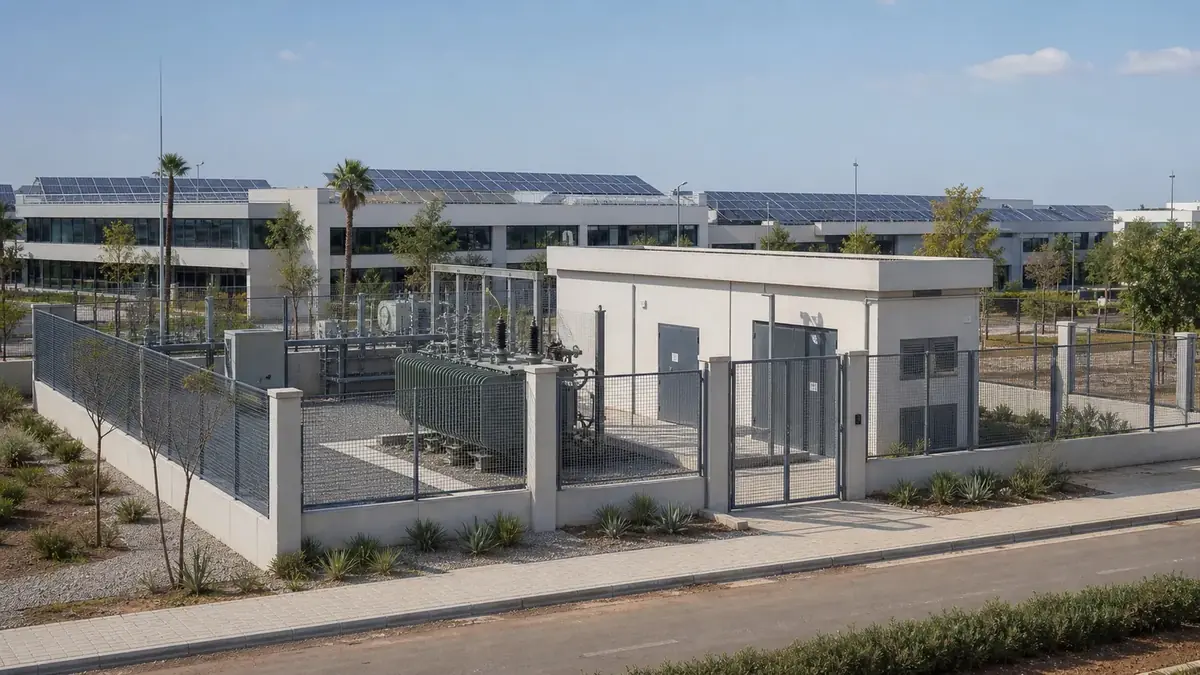
Hosting capacity describes planned room across the electricity system.
ANRE’s published trajectory rises from 3,886 MW in 2026 to 10,429 MW in 2030. It is a forward view of the system’s ability to host renewable projects under the stated planning framework.
The trajectory is commercially meaningful. It indicates that Morocco’s network planning anticipates a substantial increase in renewable capacity and gives developers a structured view of where the system expects room to develop. The underlying platform also separates technologies and network levels.
The headline 10.4 GW figure does not reserve capacity for a named factory, solar plant or investor. It aggregates a national planning position. ANRE’s hosting-capacity platform is the authoritative place to review the published map and tables.
System planning, local feasibility and project allocation occur at different levels.
Confusion usually appears when a national number is treated as though it had already answered a local engineering and administrative question.
National hosting plan
Shows the cumulative renewable capacity the electricity system is planned to accommodate by year, technology and network context.
Local connection feasibility
Examines the actual substation, feeder, voltage level, operating constraints, reinforcements and studies relevant to one location.
Project allocation or approval
Attaches rights, conditions, studies, deadlines and technical obligations to a named project through the applicable process.
Two nearby projects can face different connection conditions.
Electrical distance, voltage level, feeder loading, existing commitments and reinforcement requirements can change over a relatively small geographic area.
The proposed point of connection
A higher-voltage or stronger point may host the project with different equipment, route and cost consequences.
Capacity already reserved
Published planning capacity and capacity remaining after other commitments can differ at the date of application.
Network reinforcements
A project may depend on a new bay, line, transformer, protection change, communications work or delivery schedule.
Generation profile
Technology, installed power, export pattern and operating controls affect how the project interacts with the network.
Study assumptions
Reactive power, fault levels, protection, voltage control and power quality may need project-specific assessment.
Administrative timing
Application sequence, approvals, land, permits and project milestones influence whether planned capacity becomes usable.
This is why the map works best as an early screening and market-literacy tool. It can help a business identify the right questions, compare regions at a high level and understand the direction of network planning. It cannot replace the connection process or the project study.
The distinction also protects the investment decision. Land, engineering and equipment commitments should use a clearly stated connection assumption, with a condition for what happens if the study changes the point, schedule, export limit or reinforcement scope.
The early brief should expose connection uncertainty before it becomes sunk cost.
A business does not need a completed grid study to improve its first decision. It needs a disciplined record of what is known, assumed and still subject to confirmation.
Name the project and operating model
Record location, technology, proposed capacity, own-use versus export intent, expected operating profile and development schedule.
Identify the connection hypothesis
State the assumed voltage level and point of connection, the source of that assumption and the evidence still required.
Separate published and reserved capacity
Preserve the date and source of public hosting information, then track project-specific correspondence and capacity status separately.
Price the uncertainty
Keep network studies, connection assets, route, reinforcement and schedule as explicit allowances or decision gates.
Control major commitments
Tie land, procurement and financing milestones to the connection evidence needed at each stage.
This brief allows management to compare a technically attractive generation site with the real delivery path. It also supports clearer discussions with network stakeholders because the project team can point to the exact assumption under review.
Where surplus sales are part of the model, connection evidence also needs to align with the applicable purchase framework. The Journal’s surplus-tariff analysis explains why tariff scope and connection scope should remain separate model inputs.
The related grid-injection legal analysis explains how statutory access, operational approval and a compensated sale remain distinct decisions.
The useful update is the one that changes a project assumption.
A larger national number is informative. A changed local condition, connection route or delivery date can be decisive.
- 01ANRE updates to the 2026–2030 hosting-capacity tables and network maps.
- 02Evidence about the specific substation, feeder and voltage level under consideration.
- 03Capacity reservations, competing projects and reinforcement schedules that affect availability.
- 04The formal connection study, conditions and milestones issued for the named project.
- 05Changes in project capacity, technology or export intent that require the connection case to be revisited.
