Morocco Is Building a Renewable-Electricity Certificate Registry. What Businesses Should Prepare to Prove
Certificates of Origin can connect a defined quantity of electricity with an eligible renewable source. The Moroccan registry is under development, so the useful preparation today is evidence discipline rather than premature claims.
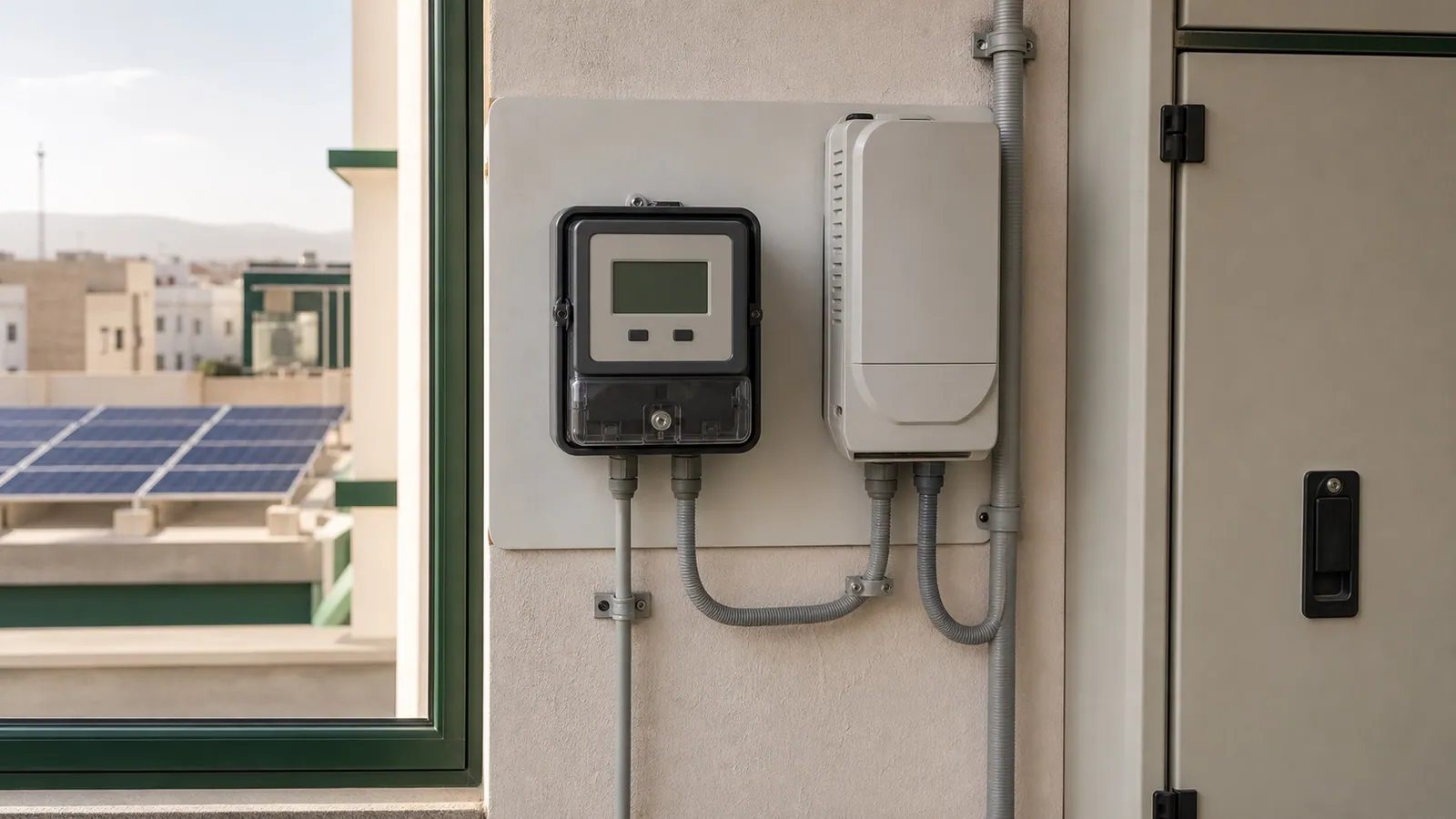
Morocco is selecting the structure and operator for a national registry.
The Ministry of Energy Transition and Sustainable Development launched an expression-of-interest process on 1 April 2026 for the establishment and operation of a national Certificates of Origin registry.
The Ministry reported in June that the process attracted around fifteen responses. Its announcement describes a next phase in which the preferred operating scheme will be selected before procurement. This is a development programme for the registry. It is not yet evidence that a public certificate market is operational for any business that chooses to make a claim.
The current status comes from the Ministry’s 2 June 2026 announcement. Companies should review later publications before relying on proposed registry mechanics, eligibility rules or issue dates.
A certificate links a defined electricity quantity with an eligible generation record.
The registry will need to prevent one unit of renewable generation from supporting several owners or claims. That requires identity, measurement, issuance, transfer and cancellation records to remain connected.
Eligible source
Named generation asset and technology
Metered output
Defined quantity and production period
Registry issue
Unique record created under the scheme
Ownership
Transfer and account history retained
Cancellation
Claim attached to one final use
This chain gives a Certificate of Origin a precise purpose. It can support a claim about the origin attributes assigned to a defined electricity quantity under the scheme. It does not describe every environmental effect of the buyer, prove a product’s complete carbon footprint or replace the accounting rules used for a separate disclosure.
The distinction matters for a business with rooftop solar. The installation may already produce credible meter data, yet the right to receive, transfer or cancel certificates will depend on the registry’s final eligibility and ownership rules. Power-purchase arrangements, leases, financing agreements and surplus sales can also affect who controls the attributes.
A future registry submission will be easier when the asset record is already complete.
The final data schema is still pending. Several evidence categories are useful under almost any credible origin-tracking system.
Generation-asset identity
Keep the site, owner, technology, installed capacity, commissioning date, connection point and equipment changes under controlled records.
Meter identity and boundary
Retain the meter serial reference, measured boundary, interval, time basis, calibration or verification status, ratios and configuration history.
Production and export data
Preserve raw interval exports, site-consumption context, gaps, corrections, substitutions and the route by which totals were produced.
Ownership and contracts
Identify who owns the asset, electricity, environmental attributes and any rights transferred through a lease, PPA, sale or financing arrangement.
Change and audit trail
Record meter replacement, inverter or plant changes, outages, amended contracts, data corrections and access permissions.
A spreadsheet summary is useful for management, while the raw evidence needs its own retention path. If the platform or service provider changes, the owner should still be able to export the underlying time series and reconstruct how a reported quantity was calculated.
This preparation also has value outside a certificate registry. Consistent meter and ownership records improve solar performance review, internal energy reporting, verification of operating changes and responses to customer evidence requests.
The wording should match the evidence already available.
Businesses can describe a physical renewable installation and its measured production when those facts are documented. Claims about recognized certificates require the recognized certificate record.
- • The named renewable asset installed at the site.
- • Metered production over a stated period and boundary.
- • The share used on site or exported, where measured.
- • The method and limitations attached to the reported data.
- • Certificate issuance under the final registry rules.
- • Transfer and ownership status inside the registry.
- • Cancellation against a named claimant and period.
- • Claims whose wording depends on a separate reporting standard.
This approach avoids weakening a valid solar investment through premature language. It also makes later registry adoption easier because the company can map existing records into the final process rather than reconstruct several years of evidence.
Exporters should keep this topic connected with product-level evidence requests. The Journal’s CBAM analysis explains why a renewable electricity record and a covered product’s embedded-emissions record answer different questions.
The registry design will decide which existing records become actionable.
The next announcements should be read for operational rules, eligibility and launch timing.
- 01Selection of the registry scheme and operator following the expression-of-interest process.
- 02Eligibility rules for generation assets, meters, production periods and historical output.
- 03Treatment of self-consumed generation, exported electricity and attributes already assigned by contract.
- 04Issuance, transfer, cancellation, audit and data-retention requirements.
- 05Recognition rules for domestic reporting, customer requests and international disclosure frameworks.
