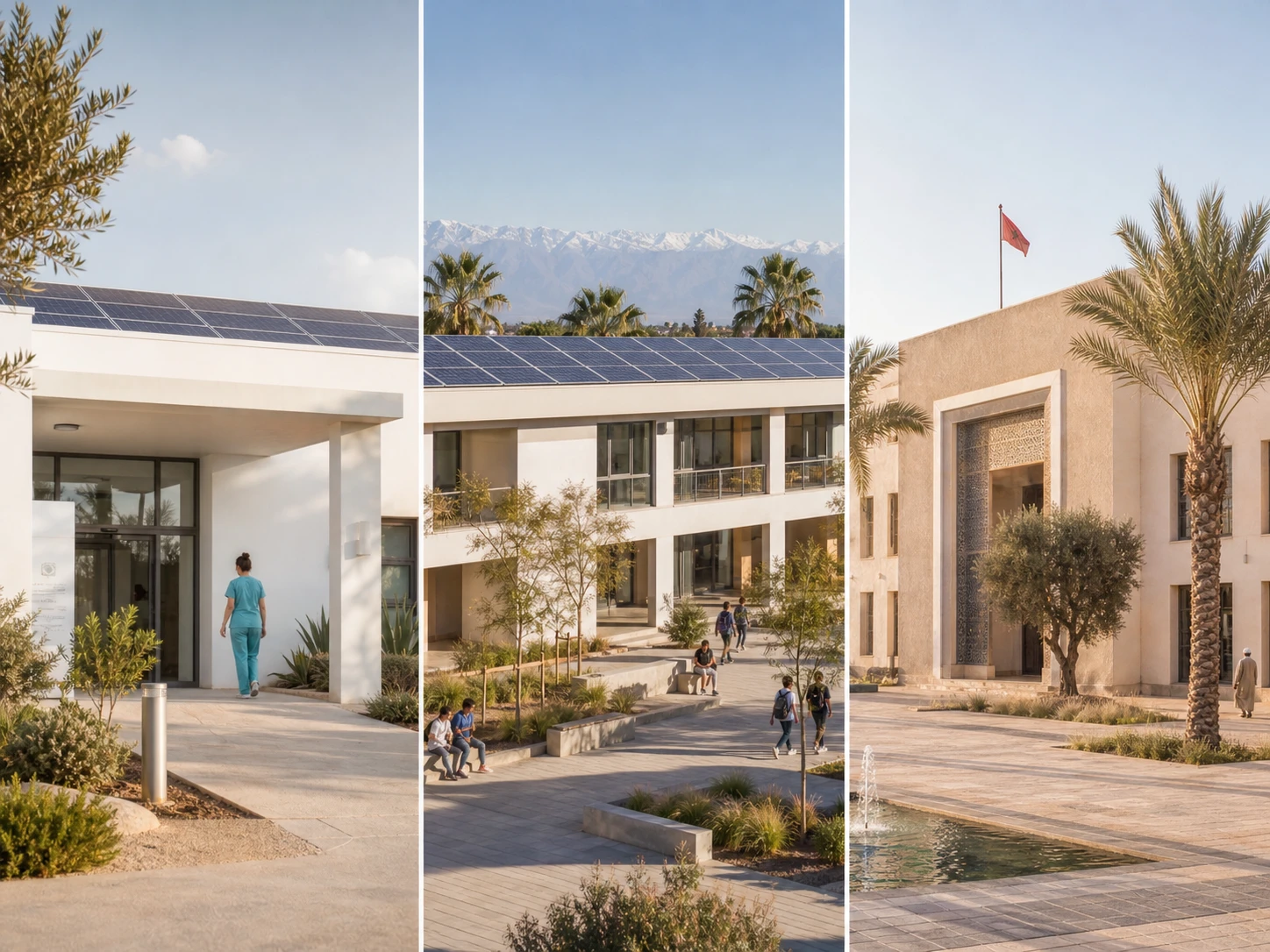
Sensitive sites show technical problems through people and schedules.
A clinic, school or institution rarely arrives with a pure energy question. The first concern may be a high bill, rooms that heat up during occupied hours, IT interruptions, security lighting exposure, reception loads, HVAC or ventilation complaints, repeated trips, unclear panels, old corrective work, missing diagrams or a quote that ignores the calendar.
These symptoms carry responsibility. A classroom complaint affects learning time. A clinic interruption can affect appointments, records, access and staff pressure. An institution may need reception, lighting, alarms and network availability beyond normal office logic. The first useful review separates cost, comfort, continuity, safety visibility, technical records and quote assumptions before equipment names dominate.
The practical risk is that a visible symptom gets solved in isolation. A hot room becomes an equipment quote while the schedule remains unclear. A backup request becomes a battery discussion before protected loads are named. A repeated trip becomes another corrective visit with no record of what changed last time. That is how occupied buildings keep paying for the same uncertainty.
Clinics, schools and institutions have different operating calendars.
Clinics follow appointment rhythm, reception hours, staff routines, records, selected cold storage and rooms that need stable conditions. Schools follow class timetables, exams, holidays, parent visits, IT use, security and comfort across many rooms. Institutions and associations may combine reception, offices, public access, training rooms, archives, security and after-hours occupancy.
A monthly bill compresses those differences into one number. A serious first answer reads the building by schedule, occupied zones, loads that create consequence during an outage, technical-room clarity and the handover record after any intervention.
Many first conversations go wrong at this point. Two buildings can have similar electricity bills while one has long empty holiday periods and the other keeps reception, IT and security active every day. The same solar size, maintenance rhythm or backup promise can leave one building under-protected and the other over-scoped. The operator needs the operating calendar because it explains which loads are normal, which loads are stressed and which loads create disruption when they stop.
Useful numbers should change the next check.
Numbers are useful when they change how an operator reads their own building. For schools, scale points to calendar pressure: classes, exams, holidays, lighting, IT and occupied rooms. For clinics, efficiency benchmarks are useful because comfort, ventilation, records, access and selected sensitive loads have to be separated before a proposal becomes credible.
A good evidence card should make the next action sharper. If a number fails to identify a schedule, a load, a waste pattern, a continuity risk or a maintenance window, it belongs outside the article.
Morocco education statistics list 6,771,263 public pupils and 12,258 public primary, lower-secondary and upper-secondary establishments for 2024/2025.
For schools and training centers, scale translates into calendar pressure. Comfort, lighting, IT, security and maintenance work must respect class time, exam periods and holiday access, because disruption is felt immediately by staff, parents and pupils.
Map class hours, exam periods, holiday windows, reception, IT rooms, lighting and rooms where disruption would be visible immediately.
ENERGY STAR K-12 guidance says more than 30% of school energy use can be waste and 10% can be saved through low-cost measures.
This benchmark is useful because many first improvements are operational: schedules, controls, lighting habits, after-hours rooms and HVAC timing. A school can overspend quietly when those routines remain invisible.
Review bills, occupancy hours, HVAC schedules, after-hours lighting, IT equipment and control habits.
ENERGY STAR healthcare guidance says a typical hospital may save up to 30% by following best practices and upgrading efficient equipment.
For a clinic, the useful lesson is separation. Ordinary building loads, comfort loads, ventilation, IT, access and selected sensitive loads require different decisions. Mixing them can turn a useful efficiency project into an unclear continuity promise.
Check HVAC or ventilation rhythm, lighting, IT, selected equipment, maintenance records and protected-load expectations before pricing upgrades.
The building should be read by use, consequence and evidence.
The same building can contain public-facing spaces, occupied rooms, IT records, access systems, security, lighting, ventilation, selected cold storage and a technical room with unclear records. The priority map turns that into a first review sequence.
This map keeps the discussion practical. Solar value depends on daytime and occupied-hour loads. Audit and maintenance become stronger when technical-room evidence or recurring symptoms are weak. Backup starts with the loads that protect access, records, lighting, alarms and selected sensitive functions.
Read it like a facility conversation. The drawing matters because each area points to a different first question. If the pain is a high bill, the roof and daytime occupied zones matter. If the pain is a repeated fault, the technical room and follow-up records matter. If the pain is outage exposure, the first question is which rooms or systems must stay available long enough for staff to continue, close safely or protect records.
The first review collects operating evidence.
A useful first conversation can begin before the technical file is complete. Bills, schedule notes, photos, symptoms and existing proposals are enough to reveal whether the first path is solar feasibility, technical audit, preventive and corrective maintenance, selected backup or quote review.
Bills and occupancy
Send bills with opening hours, class or appointment schedules, holidays, exam periods and unusual months.
Sensitive loads
Reception, IT, network, access control, security, selected lighting, alarms and any cold or sample storage.
HVAC and ventilation
Occupied rooms, hot or cold complaints, ventilation rhythm, after-hours operation and comfort notes.
Technical rooms
Photos of panels, labels, meters, visible alarms, old interventions and access constraints.
Roof and access
Roof photos, access route, shade, equipment zones, school-yard constraints and disruption notes.
Existing documents
Solar, backup, audit, maintenance or repair quotes, maintenance logs and open action notes.
Staff observations matter. A trip during exam week, a reception outage, a hot classroom, a record-system interruption or a repeated after-hours lighting issue carries more meaning than a generic note that the site has electrical problems.
Missing evidence creates expensive ambiguity. A supplier may price panels from roof area while holiday consumption is unknown. A maintenance visit may fix a symptom while the open action disappears. A backup quote may protect the wrong circuits because nobody named reception, IT, access and alarms separately. The first review reduces that ambiguity before money is committed.
Solar follows daytime use, roof reality and self-consumption.
Solar can be a strong fit when the building uses meaningful energy during daylight: classrooms, consultation rooms, offices, reception, lighting, IT, ventilation, HVAC and selected equipment. The system size should follow bills, operating calendar, roof access, shade, equipment zones, self-consumption and what remains grid-supplied.
Schools can have useful daytime loads but long holiday periods. Clinics may have steadier weekly hours and sensitive continuity questions. Institutions may have mixed office, reception and public-access rhythm. A serious solar proposal should show those assumptions before production and savings logic are accepted.
The financial case changes quickly when the operating rhythm changes. A school with daytime rooms and short holiday shutdowns reads differently from a school with long low-use periods. A clinic with steady reception, IT, lighting and ventilation may be easier to model than a site where most consumption happens outside solar hours. Storage changes the conversation again because batteries usually answer continuity before they answer payback. The first solar screen should check load curve, roof reality and protected-load logic together.
The baseline protects decisions and follow-up.
Audit and maintenance should lead when technical rooms are unclear, labels are weak, trips return, HVAC or ventilation complaints repeat, records are missing, access is blocked or several people share responsibility for the same building. A technical audit creates the baseline: what exists, what is unclear, what needs correction and what can be followed over time.
Preventive and corrective maintenance become valuable when they preserve that passport. The next visit should start from diagrams, equipment lists, alarm history, maintenance log, protected-load list, contact ownership and quote assumptions instead of verbal memory.
That record discipline changes the economics of maintenance. When a repeated fault returns, the technician should see what was inspected, what was corrected, what remained open and who was responsible for the next action. Without that memory, the site pays through repeated explanations, emergency visits, interrupted classes or appointments, and decisions made under pressure.
Backup scope starts with selected continuity loads.
Backup for clinics, schools and institutions should begin with the loads that create consequence during an outage: reception, IT and network, access control, security, selected lighting, alarms and selected sensitive loads such as cold storage or records equipment where relevant. Each load needs expected runtime and a clear statement of what remains grid-supplied.
The cabinet separates continuity from convenience. Whole-building HVAC, every classroom, every office, large equipment and full-site operation can become a larger project. The selected-load list makes the backup conversation understandable before batteries, generators or hybrid scope are priced.
This protects the owner from vague backup promises. A short outage may require reception, IT, access, security and selected lighting. A longer outage may require a different budget and operating plan. If those levels are mixed together, the quote can become expensive while still failing to protect the exact moment the staff cares about.
A serious quote makes assumptions visible.
A quote for a sensitive occupied building should show the bill basis, operating calendar, roof and access constraints, protected loads, runtime expectations, disruption planning, monitoring, commissioning, handover records, exclusions and follow-up responsibility. Two quotes can look similar while one protects reception and IT, another protects lighting, and another assumes solar self-consumption through a holiday period.
The owner should compare assumptions first, then prices. A cheaper quote that ignores disruption windows can become expensive during exams or appointment hours. A backup quote with no runtime can create a false sense of continuity. A solar quote with no schedule reading can overstate useful production. Quote review is the moment where those assumptions become visible before approval.
Occupied sites need planned work windows.
The best maintenance plan respects the calendar. Schools have exams, holidays, weekends and class schedules. Clinics have appointment blocks, urgent windows and after-hours constraints. Institutions may have public access, events, training sessions or security routines. Planned inspections and corrective actions become easier when those windows are named early.
The planner gives the operator a practical rhythm: inspections can use after-hours or weekend access, corrective work can use holidays or low-occupancy slots, and the follow-up record should prepare the next baseline.
Poor timing creates avoidable friction. A technically simple intervention can disturb classes, delay appointments, block reception, interrupt security routines or leave handover rushed because staff need the room back. When the window is planned, the same work can be cleaner: access is ready, affected rooms are known, corrective actions are completed properly and records are updated before the next busy period.
Use value numbers to decide what deserves modeling.
Value numbers should help the operator decide whether detailed modeling is worth doing. Detailed modeling still makes the financial decision. For occupied buildings, the strongest early solar candidates usually have daytime loads, usable roof area, clear schedules, high self-consumption and limited storage dependency. The slower cases usually involve long low-use periods, shaded roofs, battery-heavy continuity scope or weak technical records.
A strong self-consumption project without storage is usually worth detailed modeling when the early screen sits around this range. The site still needs bill review, roof reality, operating calendar and production modeling before any financial claim is made.
Best early candidates use energy during the day: classrooms, clinic rooms, reception, lighting, IT, ventilation, HVAC and steady office loads.
When batteries lead the project, the first value is continuity: reception, IT, access, security, alarms, selected lighting and selected sensitive loads. Financial payback is usually slower and depends on runtime, battery size, duty cycle and what the site truly needs to keep available.
Use battery scope after the protected-load list and runtime are named; the battery should answer a continuity job.
Maintenance value should be counted from the building’s own exposure: repeated fault cost, emergency callouts, staff disruption, appointment or class interruption, equipment stress, repeated explanations and documentation loss.
The useful maintenance question is whether the next visit starts from records or restarts from memory.
Information that makes the first answer useful.
Use this as a simple preparation checklist. Perfect documents are rare, but honest evidence is enough to avoid a generic sensitive-building answer. The goal is to show how the building operates, what must remain available, where symptoms appear and what has already been tried.
Avoid weak occupied-building decisions.
Sizing solar before schedules.
Schools and clinics need solar sizing that follows opening hours, holidays, daytime use and self-consumption.
Treating every load as critical.
Backup scope should name protected loads and runtime. Whole-building backup can change the project scale quickly.
Approving work around unclear rooms.
Weak labels, missing records and old corrective actions can make a polished quote rest on a fragile baseline.
Ignoring disruption windows.
Occupied sites need work windows that respect classes, exams, appointments, reception hours and after-hours access.
Letting records disappear.
Preventive and corrective follow-up should preserve open actions, symptoms, interventions and responsibility.
Mixing comfort with continuity.
HVAC comfort, IT continuity, access control and selected sensitive storage need separate decisions.
How ReneWave reads a sensitive building request.
ReneWave starts from the service job the building needs to protect. The review clarifies bills, schedule, occupied zones, critical loads, technical-room condition, roof reality, maintenance records and existing quotes before the scope becomes equipment.
The solar path becomes stronger when daytime use and self-consumption are visible. The audit path becomes useful when records, rooms or recurring symptoms are unclear. The maintenance path keeps preventive and corrective actions documented. The backup path names selected loads and runtime. Quote review keeps assumptions, disruption and follow-up responsibility visible before approval.
The method is deliberately practical. It is designed to catch these problems early: corrective work that needs access during exams, a clinic backup scope that misses reception or network, and a solar production estimate that ignores the institution's real calendar. The first path removes those surprises before they become expensive.
A clinic, school or institution needs a first path that respects people, schedules, continuity and technical memory.
Sensitive building application logic
Questions operators ask first.
Related guides & services.
Applications Hub
Choose the site type first, then move into the right service path.
Open Solar guideSolar for Commercial and Tertiary Buildings
Use broader commercial solar logic once the institutional schedule and major loads are visible.
Open Solar guideOn-Grid, Hybrid, or Off-Grid Solar
Choose the architecture after the site objective and operating reality are clear.
Open Solar guideDo You Really Need Batteries for Solar?
Understand storage purpose before batteries are added to an institution proposal.
Open Backup guideBackup Power and Critical Loads
Define reception, IT, access, lighting, alarms and sensitive loads before backup is sized.
Open Buyer guideHow to Read a Solar Quote
Check assumptions, exclusions, architecture, support and financial claims before approval.
Open Solar guideReading a Solar Production Estimate
Separate production, self-consumption, losses and savings assumptions.
Open Audit guideWhat Is a Technical & Energy Audit?
Understand how energy, technical condition, documentation and operating risk connect.
Open Audit guideWhat Should Be Checked During a Technical Audit?
Review visible condition, panels, protections, access, documentation and recurring symptoms.
Open Maintenance guideElectrical Maintenance Checklist for Hotels, Riads & Business Sites
A buyer-level checklist for electrical inspections, reports and follow-up.
Open Maintenance guideHow to Build a Preventive Maintenance Plan
Critical systems, frequency, open actions, documentation and technical memory.
Open ServiceReneWcare Max
Structured technical follow-up for business sites with critical systems and recurring needs.
Open ServiceTechnical Audit
Create a baseline before decisions become expensive or technically unclear.
Open ServiceSolar Systems
Solar design, installation and follow-up for institutional, commercial and residential sites.
Open Talk to usContact ReneWave
Send bills, photos, quotes, symptoms or operating context for review.
Open