Energy Efficiency and Electrical Reliability Belong in the Same Investment Plan
An efficiency project changes loads, controls and operating patterns inside an existing electrical system. Reliability evidence determines whether the expected savings can remain available in normal operation.
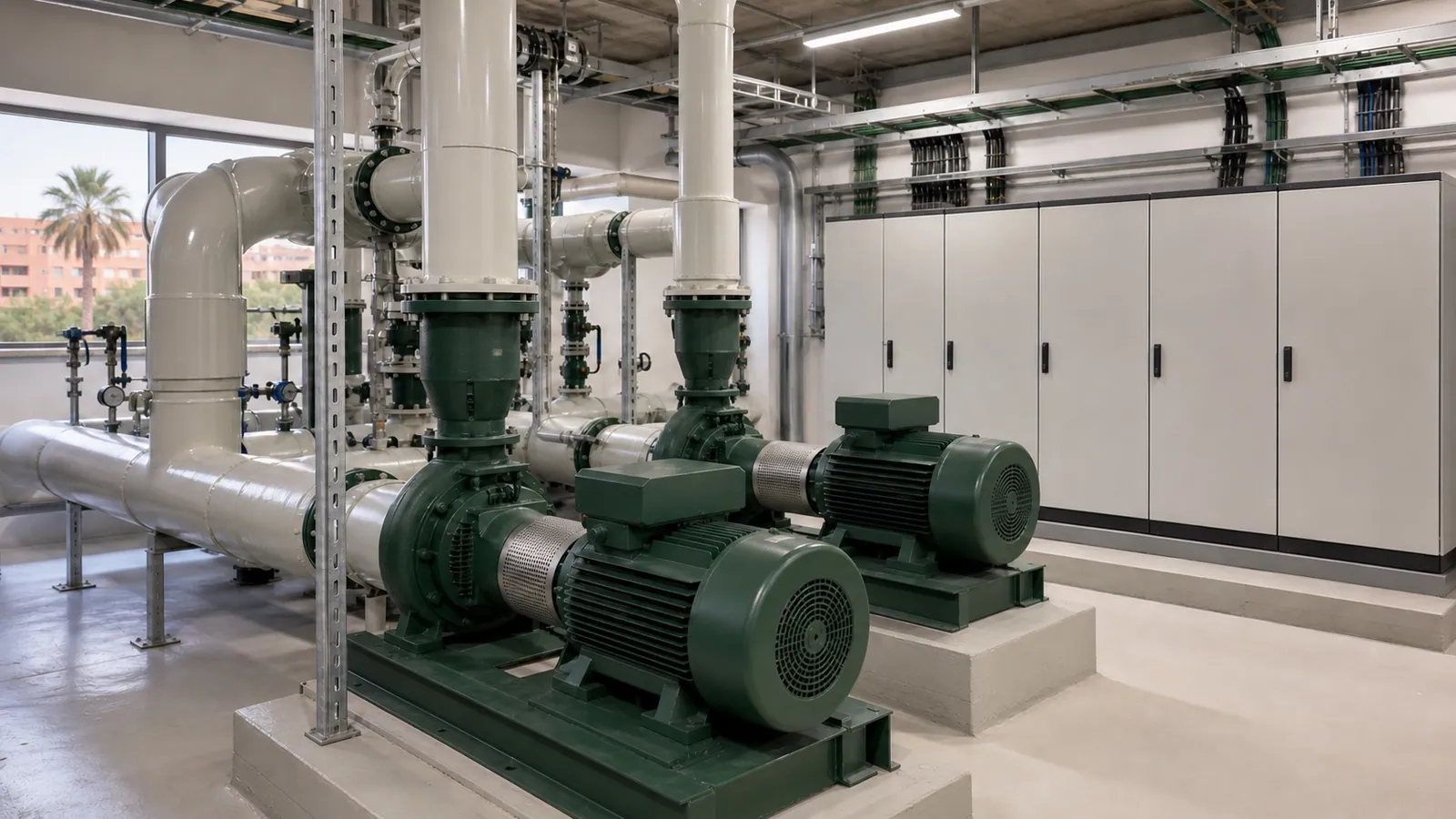
An efficient asset still depends on the electrical system that supplies and protects it.
A new chiller, compressor, pump drive or process line can reduce energy use and improve control. Its result also depends on voltage quality, protection, distribution capacity, connection condition and the maintenance information available after handover.
Efficiency studies often begin with consumption, operating hours and replacement performance. Reliability studies begin with failure consequence, asset condition and protective behaviour. Management eventually funds both from the same capital plan and experiences both through the same operation.
The link becomes visible during implementation. A variable-speed drive may introduce new harmonic or protection considerations. A high-efficiency motor may change starting behaviour. A controls upgrade may depend on clean auxiliary power and verified communication. A new solar or storage system changes power flow around an existing distribution network.
These are engineering interfaces, not arguments against the efficiency project. They identify the supporting work and verification required for the expected saving to remain available.
Savings pass through several operating dependencies before they reach the business.
A technically efficient machine can underdeliver because of availability, control, distribution or maintenance constraints. The investment review should show where each dependency is owned.
Efficient asset
Selected performance at the expected load and operating range.
Procurement and designElectrical compatibility
Capacity, voltage, power quality, starting, protection and cable conditions suited to the change.
Electrical engineeringControl and operation
Schedules, setpoints, sequencing and operator authority preserve the intended mode.
OperationsMaintainable condition
Access, spares, settings, baselines and inspection evidence remain available after handover.
MaintenanceVerified outcome
Energy and reliability records show the as-left result and material drift.
Asset ownerThe dependency chain gives management a better budget boundary. A switchboard correction that enables a chiller replacement belongs in the same investment decision, even when it sits under a different technical heading. Leaving it outside the approval can create delay, variation or an operating restriction after equipment arrives.
The pre-investment review should test the assumptions that can interrupt the benefit.
The required depth follows the asset, site and consequence. A small lighting change and a critical production compressor do not need the same electrical evidence.
Demand and capacity
Confirm the present profile, expected new operating states, spare capacity, phase loading and upstream limits relevant to the proposed asset.
Power quality and starting
Identify equipment sensitivity, drives, starting current, harmonic interaction, voltage events and any measurement needed before design is fixed.
Protection and isolation
Check the protection concept, selectivity assumptions, switching boundaries and settings records that the new equipment relies on.
Physical condition
Review connections, panels, cables, cooling, environment and access where existing condition can affect the installation or availability.
Controls and operating authority
Define who can change schedules and setpoints, what alarms remain visible and how control changes are recorded.
Handover evidence
Specify as-left settings, tests, baselines, drawings, software access, spares and training required to preserve performance.
This review avoids a generic reliability allowance. Each supporting item has a cause, decision and verification record. Some projects will need little additional work. Others will reveal an electrical constraint that should be corrected before the efficient asset is ordered.
The Technical and Energy Audit Playbook explains how condition, consumption and decision evidence can be gathered in one audit programme without collapsing them into one score.
Rank the combined intervention by business consequence and dependency.
The portfolio should show which reliability action enables an efficiency result, which action can proceed independently and which risk needs monitoring rather than immediate replacement.
Enabling work
Electrical corrections, protection changes, controls or metering required before the efficient asset can operate as designed.
Efficiency scope
The asset, installation, commissioning and operating changes that create the expected reduction.
Reliability scope
Condition, redundancy, spares, protection and maintenance actions that protect availability.
Verification scope
Energy baseline, power-quality or condition record, functional tests and named post-work review period.
Timing matters. A planned shutdown may be the lowest-risk moment to complete both the distribution correction and the equipment replacement. Conversely, a reliability defect with immediate consequence may need correction before the larger efficiency project is ready.
The financial case should keep the benefit types separate. Avoided energy purchases, reduced maintenance exposure, capacity release, avoided interruption and compliance value have different evidence. Management can still approve one programme while understanding which assumption supports each benefit.
The as-left record should show energy performance and operating condition.
A commissioning pass confirms the declared test boundary. A later operating review shows whether the installation continues to deliver the intended result.
Energy verification may compare a normalized baseline with measured consumption or demand after the change. Reliability verification may include protection results, electrical measurements, thermal or condition records, alarm operation and closure of identified defects. The selected methods should match the risk and the claims in the investment case.
The most useful handover connects these records. When the new equipment changes load or power quality, the first operating review can compare the electrical condition with the design expectation. When a maintenance correction was required, the same review can confirm that the efficient asset is no longer operating under the condition that threatened availability.
Ownership continues after acceptance. Named teams need access to settings, raw exports, alarms, drawings, licenses and review dates. A platform that retains data without a person responsible for interpretation leaves the investment exposed.
A combined plan should remain connected to the operating evidence.
The investment is complete when the business can preserve the saving and understand the conditions that support availability.
- 01Electrical findings that can delay, constrain or shorten the service of the proposed efficient asset.
- 02Control, schedule or production changes that alter the expected energy result.
- 03Protection, power-quality or distribution evidence that changed after commissioning.
- 04Maintenance records, alarms and condition trends that show a developing availability risk.
- 05The review date for the energy baseline, electrical as-left record and combined investment case.
